How a Wireless Meat Thermometer Can Help You Cook Perfect Meat Every Time

It is a frustrating experience, especially when you have invested time, effort, and quality ingredients into the meal.
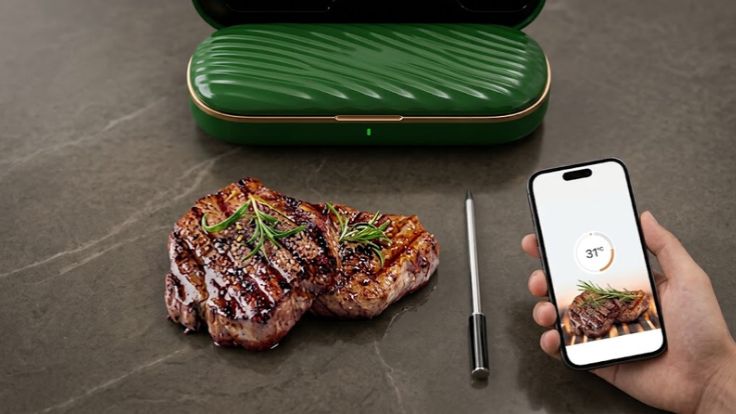
Have you ever spent hours preparing a roast or grilling steaks for a family dinner, only to discover that the meat is dry, tough, or still undercooked in the center? It is a frustrating experience, especially when you have invested time, effort, and quality ingredients into the meal.
Cooking meat perfectly is not always as simple as following a recipe. Different cuts have different thicknesses, ovens and grills distribute heat differently, and cooking times can vary depending on the equipment you use. Cutting into meat repeatedly to check its progress can also release valuable juices and make the process less convenient.
A Wireless Meat Thermometer offers a practical solution by helping you monitor internal temperatures while your food cooks. A Smart Meat Thermometer can take this convenience further with connected monitoring, temperature alerts, and guided cooking features, depending on the model.
If you want more consistent results without constantly hovering over your stove or grill, understanding how these tools work can help you make a smarter investment.
Common Problems That Make Cooking Meat Difficult
1. Guessing When Meat Is Done
Relying on cooking time alone can lead to disappointing results. A thick chicken breast may take longer than a thin one, while a roast cooked straight from the refrigerator may behave differently from one that has rested at room temperature.
Visual signs, such as browned surfaces and clear juices, do not reliably confirm that meat has reached a safe internal temperature.
A thermometer gives you a more objective way to check doneness instead of relying entirely on guesswork.
2. Constantly Opening the Oven or Grill
When you are unsure whether your food is ready, repeatedly opening the oven or lifting the grill lid can release heat and disrupt cooking conditions.
This makes it harder to maintain a steady temperature and can extend cooking time. It also means spending more time checking your food instead of preparing side dishes, entertaining guests, or enjoying the occasion.
3. Balancing Food Safety With Juiciness
Cooking meat long enough to make it safe is essential, but leaving it on the heat longer than necessary can affect its texture and moisture.
The challenge is knowing when the center has reached the appropriate temperature. A reliable thermometer helps you make that decision more confidently without sacrificing quality through unnecessary cooking.
Why Temperature Matters More Than Cooking Time
Cooking time is useful as a guideline, but internal temperature provides more meaningful information about doneness.
Several factors affect how quickly meat cooks, including thickness, starting temperature, cooking method, and heat intensity. Even two similar cuts can finish at different times.
A Wireless Meat Thermometer measures the temperature at the probe's location, allowing you to monitor the cooking process more accurately. Many models send readings to a compatible display or smartphone, so you can check progress without repeatedly opening the cooking appliance.
A Smart Meat Thermometer may also offer target-temperature settings, estimated cooking progress, or alerts when food approaches your preferred doneness.
These features reduce the need for constant supervision, although the actual functions vary by product.
Practical Tips for Better Results Every Time
Choose the Right Temperature for the Food
Different meats require different safe internal temperatures. According to the USDA, whole cuts of beef, pork, lamb, and veal should reach 145°F (63°C), followed by a three-minute rest. Ground meats should reach 160°F (71°C), while poultry should reach 165°F (74°C).
Use an appropriate food thermometer and follow current food-safety guidance for the specific food you are preparing. For large roasts, check the thickest part and avoid touching bone, which can affect the reading.
Position the Probe Correctly
Correct placement is essential for a useful reading. Insert the probe into the thickest part of the meat, positioning the sensing area away from bones, large pockets of fat, and the cooking surface.
For thinner cuts, a conventional instant-read thermometer may be more practical than a probe designed for continuous monitoring. Always follow the thermometer manufacturer's instructions.
Allow Meat to Rest
Resting meat after cooking gives its temperature and juices time to redistribute. The appropriate resting period depends on the cut and size.
For safety, remember that carryover cooking should not replace reaching the recommended safe temperature. Check temperatures properly before serving, especially when preparing poultry or ground meat.
Keep Your Equipment Clean
Wash and sanitize thermometer probes according to the manufacturer's instructions, particularly between checking different foods. Avoid using a probe in ways that exceed its stated temperature rating or suitability for oven and grill use.
These simple habits improve both reliability and food safety.
Finding a Smarter Cooking Solution With CHEF iQ
If you regularly grill, roast, or smoke meat, a connected thermometer may be a useful upgrade. Chef iQ US offers smart cooking products designed to make temperature monitoring more convenient, including its iQ Sense wireless cooking thermometer range.
When comparing a Wireless Meat Thermometer, look beyond the word “wireless.” Check the connection range, probe temperature limits, battery life, charging requirements, and whether the device is suitable for your preferred cooking method.
Some models use Bluetooth, while others rely on a dedicated hub or Wi-Fi-connected system. These differences affect how easily you can monitor food from another room or while spending time outdoors.
A Smart Meat Thermometer may also provide app-based guidance and alerts, helping you keep track of progress without continuously checking the grill. Before buying, confirm which features are included with the particular model and whether your smartphone is compatible.
Choosing a product based on your cooking habits is more useful than paying extra for advanced features you may rarely use.
The Benefits of Upgrading Your Cooking Routine
A suitable thermometer can make cooking more predictable and less stressful.
More consistent results: Temperature readings help you avoid relying solely on appearance or estimated cooking times.
Less constant checking: Remote monitoring and alerts, when supported, allow you to prepare other parts of the meal while your meat cooks.
Better control over texture: Knowing when meat reaches the desired temperature can help prevent unnecessary cooking and dryness.
Greater confidence in food safety: Accurate measurements help you verify that meat reaches the recommended internal temperature.
For regular home cooks, a Wireless Meat Thermometer can be a particularly useful tool for large roasts, barbecues, and long cooking sessions. Exploring the connected cooking options from Chef iQ US can help you compare these conveniences with the features of traditional thermometers.
Remember that a thermometer supports good cooking practices; it does not replace proper food handling, cleaning, or safe storage.
Conclusion: Take the Guesswork Out of Cooking Meat
Perfectly cooked meat does not have to depend on luck. Understanding safe temperatures, placing the probe correctly, and allowing appropriate resting time can help you achieve more reliable results in your kitchen.
If you often struggle with overcooking, undercooking, or constantly checking your food, consider whether a Wireless Meat Thermometer would make your routine easier. A Smart Meat Thermometer with connected monitoring may be especially helpful if you want more flexibility while grilling or roasting.
Explore the options available from Chef iQ US, compare their specifications, and choose a thermometer that suits your cooking style. With the right tools and a few simple techniques, you can spend less time worrying about doneness and more time enjoying meals with family and friends.
Recent Blogs
-

How to Choose the Perfect Gourmet Gift Basket for Every Occasion
-

Creating Meaningful Keepsakes With Beyond Memories Personalized Gifts
-

Preparing Delicious Italian Meals With Rubirosa Specialty Foods
-

4 Gorgeous Evry Jewels Pieces to Refresh Your Jewelry Collection
-

Everything to Know Before Buying an ATOMI SHINE Watch