How to Choose Automotive Lighting and LED Car Lights for Better Visibility

Discover how to choose automotive lighting and LED car lights by evaluating vehicle compatibility, beam patterns, build quality, installation requirements, and local regulations. Explore practical tips for finding a suitable lighting upgrade with VLAND Car Lights.
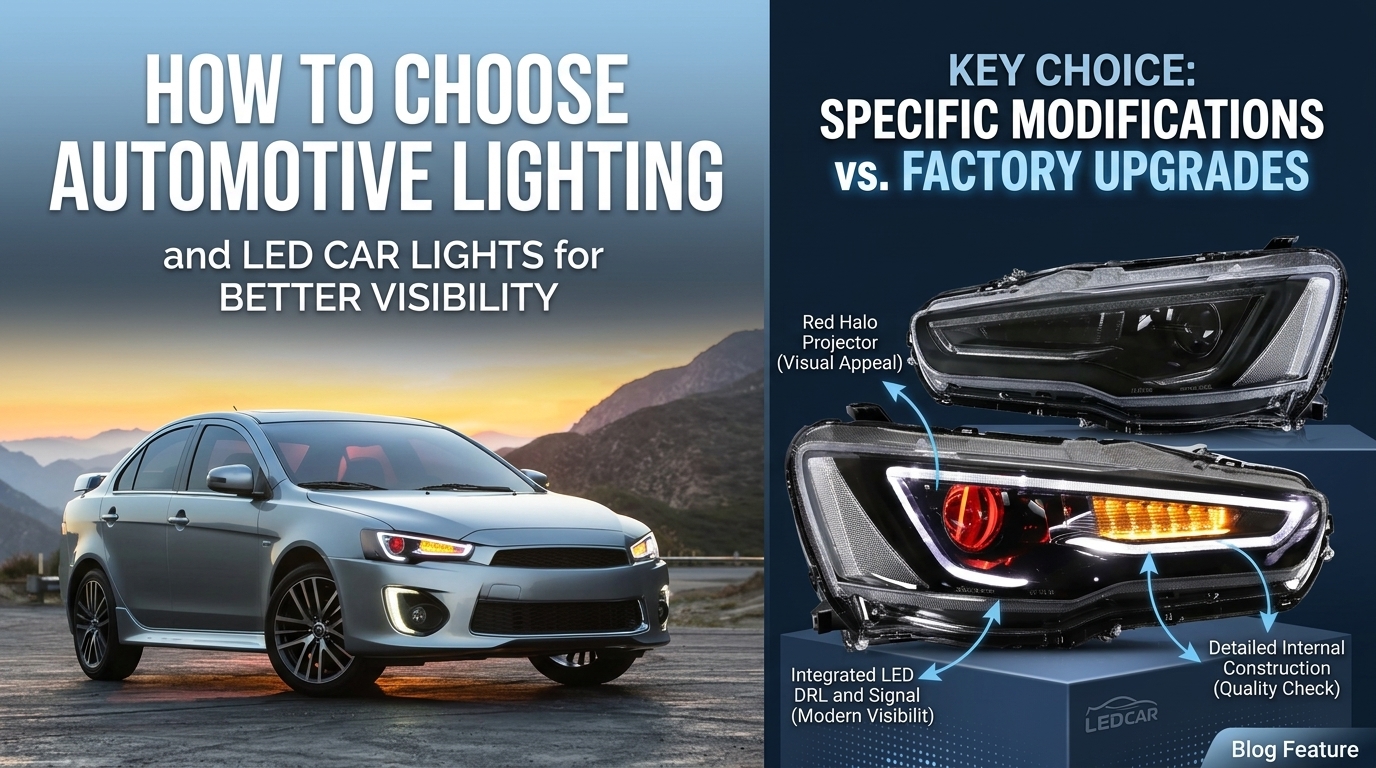
Have you ever driven at night and noticed that your headlights don't seem as bright or effective as they used to be? Maybe the road ahead looks dim, your lights have an uneven beam, or your vehicle simply doesn't have the modern appearance you want.
Poor lighting isn't just frustrating. Your vehicle's lights play an important role in helping you see road conditions, signs, obstacles, and other vehicles. That's why upgrading your automotive lighting can be a practical improvement rather than simply an appearance upgrade.
With the growing range of LED car lights available today, drivers have more options than ever. But choosing the right setup requires more than picking the brightest-looking product. Compatibility, beam pattern, installation, durability, and legal requirements all deserve attention.
Why Your Vehicle's Lighting May Not Be Working Well
Headlight performance can change over time. Older bulbs may become less effective, lenses can become cloudy, and poorly matched replacement components can create inconsistent illumination.
Even if your original lights still work, they may not provide the appearance or functionality you want from a newer vehicle.
Another common issue is selecting replacement lights based only on brightness. More light isn't automatically better if the beam isn't properly focused. Excessive glare can also create problems for other road users.
The goal should be useful, controlled illumination, not simply maximum brightness.
Common Automotive Lighting Problems
Dim or Uneven Illumination
If one side of the road appears darker than the other, the problem may involve the bulb, housing, alignment, or lens condition.
Replacing a component without identifying the underlying issue may not solve the problem.
Outdated Appearance
Older lighting systems can make an otherwise modern vehicle look dated. Many drivers turn to LED technology because it can provide a more contemporary appearance while offering different lighting configurations.
Poor Visibility in Certain Conditions
Rain, fog, poorly lit roads, and nighttime driving can all make visibility more challenging. Your headlights should provide an appropriate beam pattern for the vehicle and driving conditions.
Difficult Installation
Some aftermarket lighting products require additional modifications, wiring, adapters, or professional installation. Understanding the installation requirements before buying can prevent unnecessary headaches.
What Should You Look for in Automotive Lighting?
Choosing new automotive lighting starts with understanding your vehicle and your driving needs.
Check Vehicle Compatibility
This should be one of the first things you verify.
A lighting product needs to be compatible with your specific vehicle, model year, and existing housing or electrical system. Don't assume that a product will fit simply because it uses the same general bulb or connector type.
Check the manufacturer's compatibility information carefully.
Consider Beam Pattern
A good beam pattern is just as important as brightness.
The light should illuminate the road effectively without creating unnecessary glare. Proper alignment is also important after installation.
Look at Build Quality
Headlights and other exterior lighting are exposed to weather, temperature changes, road debris, and vibration.
When comparing LED car lights, pay attention to housing construction, sealing, materials, and manufacturer information about durability.
Think About Your Actual Needs
Not every driver needs the same lighting setup.
Someone who mainly drives around a well-lit city may have different priorities from someone who regularly travels on dark rural roads. Consider your normal driving conditions before choosing an upgrade.
How LED Car Lights Can Change Your Setup
LED technology has become increasingly popular in modern vehicle lighting. Depending on the application, LED car lights can offer a modern appearance, efficient operation, and a range of design possibilities.
However, the quality of an LED lighting upgrade depends on more than the LED itself. Housing design, optics, heat management, beam control, and compatibility all contribute to the overall result.
This is why it's worth comparing complete lighting assemblies rather than focusing on a single specification.
Practical Tips Before Upgrading
Inspect Your Existing Lights
Before purchasing anything, examine your current headlights and other lighting components.
Check for cloudy lenses, moisture inside the housing, cracks, loose connections, or signs of corrosion.
Confirm Installation Requirements
Find out whether the new lighting system is designed as a direct replacement or requires additional wiring or modifications.
If you're uncomfortable working with vehicle electrical systems, professional installation can be a sensible option.
Check Local Regulations
Lighting regulations can vary depending on where you drive. Certain colors, brightness levels, beam configurations, and aftermarket modifications may be restricted.
Always check the applicable local requirements before installing new equipment.
Don't Shop on Brightness Alone
A product advertised as extremely bright isn't necessarily the right choice.
Look at beam distribution, compatibility, construction, reviews, warranty information, and installation requirements as well.
When Is a Premium Upgrade Worth Considering?
If your current lights are damaged, outdated, difficult to maintain, or simply no longer meet your needs, a higher-quality upgrade may make sense.
A premium lighting assembly can offer more than a visual change. Better construction, thoughtful optical design, vehicle-specific fitment, and improved finishing can contribute to a more complete upgrade.
VLAND Car Lights is one brand worth exploring when comparing aftermarket lighting options. Its range focuses on vehicle-specific lighting designs, allowing drivers to look beyond generic replacement products.
The important point is to select equipment based on your vehicle and requirements rather than assuming the most expensive option will automatically be the best fit.
Benefits of Upgrading Your Vehicle Lighting
A More Modern Look
Well-designed lighting can dramatically change the appearance of a vehicle. Modern headlights and rear lighting can give an older car a more contemporary visual identity.
Improved Practicality
The right lighting setup can make nighttime driving more comfortable by providing appropriate illumination where you need it.
Better Vehicle-Specific Fit
Choosing lighting designed for your particular vehicle can reduce some of the compatibility problems associated with universal products.
Long-Term Value
A well-made lighting assembly may provide better durability and overall ownership value than repeatedly replacing poorly matched or low-quality components.
VLAND Car Lights provides another option for drivers researching aftermarket lighting, particularly those interested in vehicle-specific designs and modern LED configurations.
Questions to Ask Before Buying
Before choosing new automotive lighting, ask:
- Is the product compatible with my exact vehicle?
- Is it a complete assembly or only a replacement component?
- What installation work is required?
- Does it provide an appropriate beam pattern?
- How is the housing protected from moisture?
- What warranty is included?
- Does the lighting comply with applicable regulations?
- Will I need professional installation?
Answering these questions can help you avoid buying a product that looks impressive online but doesn't work properly with your vehicle.
Conclusion: Choose Lighting for Performance and Fit
Upgrading your vehicle's lighting doesn't have to be complicated. The key is to focus on what actually affects the driving experience: compatibility, beam control, construction, installation, and your typical driving conditions.
LED car lights can provide a modern alternative to older lighting systems, but the best upgrade isn't necessarily the brightest one. A properly designed and correctly installed system should provide useful illumination while working harmoniously with your vehicle.
Take time to inspect your existing setup, research compatible options, and check local regulations before making a purchase. Brands such as VLAND Car Lights can be a useful starting point when exploring modern automotive lighting solutions.
A thoughtful lighting upgrade can improve both the appearance and functionality of your vehicle without turning the buying process into a guessing game.
Recent Blogs
-

How to Choose the Right Outdoor Umbrella for Comfort, Shade, and Durability
-
How to Choose the Right Generator for RV Adventures and Outdoor Power Needs
-

How to Choose Outdoor Gear That Makes Every Adventure Easier
-
How to Choose Custom Car Wheels, Truck Wheels and Tires, and Aftermarket Rims
-

Looking for Bedroom Art Ideas? How the Right Wall Art Can Transform Your Space