How to Choose Heavy-Duty Aluminum Loading Ramps

Discover how to choose heavy-duty aluminum loading ramps by evaluating weight capacity, ramp length, width, traction, and portability. Explore practical tips for selecting suitable car and trailer ramps, improving loading efficiency, and maintaining reliable performance.
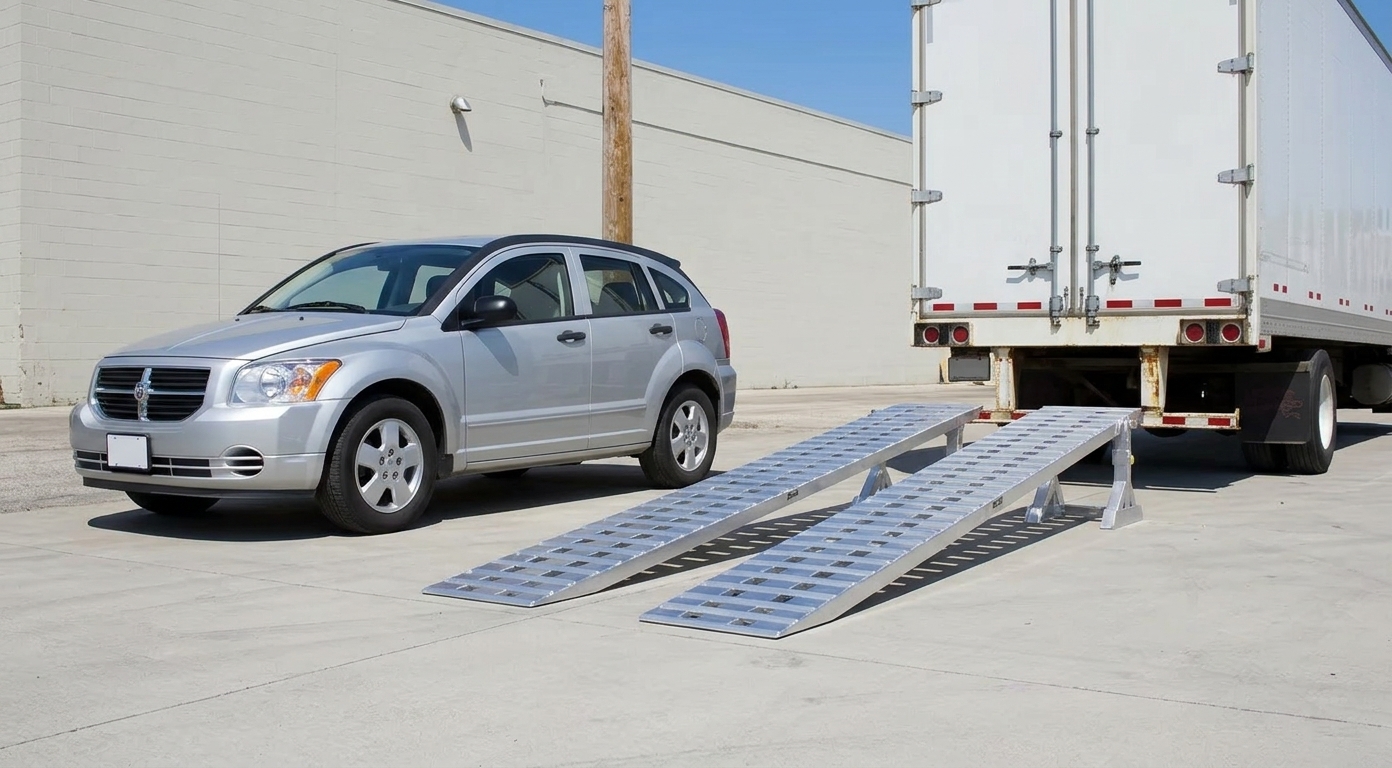
Have you ever struggled to load heavy equipment because your ramps felt unstable, narrow, or difficult to handle? Loading motorcycles, lawn mowers, construction machinery, and other heavy items can quickly become challenging without suitable equipment. Consequently, poor ramp selection can increase loading risks, waste time, and complicate transportation. Fortunately, Heavy-Duty Aluminum Loading Ramps offer a practical solution for various loading applications. HDramps provides a starting point for exploring options designed for demanding transportation needs.
However, choosing suitable ramps involves more than finding a sturdy-looking product. You must consider load capacity, ramp length, surface traction, and vehicle or trailer compatibility. By evaluating these factors, you can simplify loading tasks, protect equipment, and improve workplace efficiency.
Common Problems When Loading Heavy Equipment
Loading heavy machinery or vehicles presents several practical challenges. Without suitable ramps, even routine transportation tasks can become stressful.
1. Insufficient Weight Capacity
Every ramp has a specified weight limit. Exceeding this limit can cause structural failure, equipment damage, or serious injuries. Therefore, calculate the complete load, including the machine, attachments, fuel, and accessories.
2. Unstable Loading Surfaces
Ramps that shift, slip, or rest insecurely against trailers can create dangerous conditions. Additionally, uneven ground and poorly secured connections can increase instability.
3. Incorrect Ramp Dimensions
Short ramps create steeper loading angles, making equipment harder to move smoothly. Meanwhile, narrow ramps may not provide enough clearance for vehicle tyres or machinery tracks.
4. Difficult Transportation and Storage
Heavy steel ramps can prove difficult to carry and position, especially during frequent handling. Furthermore, bulky equipment can consume valuable storage space inside work vehicles and workshops.
Why Do These Loading Problems Occur?
Several factors contribute to loading difficulties. Understanding these causes helps you make better purchasing decisions. First, buyers sometimes prioritize price or appearance over technical specifications. However, every application requires equipment that matches its load and operating conditions. Second, loading environments vary significantly. For instance, a small utility trailer may require different ramps from a commercial transporter carrying construction machinery.
Therefore, choosing general-purpose equipment without checking compatibility can create unnecessary risks. Third, material selection affects handling and maintenance. Steel offers strength but generally weighs more than comparable aluminum equipment. Conversely, properly engineered aluminum ramps can balance strength and portability for suitable applications. Finally, inadequate preparation can undermine even well-designed equipment. Loose connections, unsuitable ground conditions, and incorrect loading techniques can increase risks regardless of ramp quality.
How to Choose the Right Loading Ramps
Selecting suitable ramps becomes easier when you evaluate your requirements before purchasing. Consider these practical factors to narrow your options.
1. Check the Weight Capacity
Always confirm the manufacturer's rated capacity. Additionally, determine whether the rating applies to one ramp or the complete pair.
Consider these factors:
- Equipment weight: Include attachments and accessories that increase the total load.
- Load distribution: Check how your equipment distributes its weight across the ramps.
- Safety margin: Follow the manufacturer's guidance and applicable workplace requirements.
- Operating conditions: Account for uneven surfaces and the equipment's loading configuration.
Never assume two ramps automatically support twice the stated capacity. Instead, verify the rating and follow the manufacturer's loading instructions.
2. Measure the Required Ramp Length
Ramp length influences the angle between the ground and your trailer. Generally, longer ramps create gentler inclines when the loading height remains unchanged. Before purchasing, measure your trailer's loading height and assess the ground conditions. Then, check the manufacturer's recommended height range and maximum permitted incline.
3. Evaluate Width and Surface Traction
Your ramps should accommodate your equipment's tyre width, track configuration, and wheel spacing. Moreover, suitable surface features can help improve traction during loading.
Look for features such as:
- Textured or traction-enhancing surfaces.
- Secure attachment points.
- Appropriate widths for your equipment.
- Designs suited to your loading environment.
However, traction features cannot eliminate every slipping risk. Therefore, follow operating instructions and avoid conditions that exceed your equipment's limitations.
4. Consider Material and Portability
Material choice affects handling, durability, and maintenance requirements. Heavy-duty aluminum loading ramps can prove particularly useful when workers frequently move equipment between locations. Aluminum generally weighs less than comparable steel components. Nevertheless, actual weight depends on the ramp's design and dimensions. Consequently, compare product specifications instead of assuming every aluminum ramp delivers identical performance.
Why Heavy-Duty Aluminum Loading Ramps Are Worth Considering
For buyers who regularly transport vehicles or machinery, suitable loading equipment can make daily operations more manageable. Heavy-duty aluminum loading ramps combine the potential advantages of aluminum construction with designs intended for demanding applications. Depending on their specifications, these ramps can support loading tasks involving motorcycles, ATVs, lawn equipment, and selected industrial machinery. At this stage, HDramps is worth exploring if you want to compare options for your specific application. However, prioritize verified load ratings, dimensions, construction details, and compatibility over promotional descriptions alone.
Benefits of Choosing Suitable Aluminum Ramps
The right ramps can provide several practical advantages:
- Easier handling: Lower ramp weight can simplify positioning and transportation.
- Efficient loading: Appropriate dimensions can help create more manageable loading angles.
- Convenient storage: Some designs feature folding mechanisms or compact configurations.
- Versatile applications: Different models can accommodate various vehicles and equipment.
- Long-term value: Suitable materials and proper maintenance can support extended service life.
However, actual benefits depend on the model, loading conditions, and maintenance practices. Always verify the manufacturer's specifications before making your decision.
Choosing Car and Trailer Ramps for Different Applications
Car and trailer ramps serve different purposes. Therefore, matching each design to your equipment remains essential. For example, loading a motorcycle onto a utility trailer may require a narrow ramp with suitable traction and secure attachment points. Conversely, heavier machinery may require wider ramps with substantially higher rated capacities.
Before purchasing car and trailer ramps, consider these questions:
- What equipment will you load most frequently?
- What is the maximum combined weight?
- How high is the trailer's loading surface?
- Does your equipment require one ramp or a matched pair?
- Can you secure the ramps according to the manufacturer's instructions?
Answering these questions helps prevent unsuitable purchases and makes product comparisons more meaningful. Additionally, businesses handling construction machinery or commercial deliveries should assess their broader Industrial Loading and Transportation Equipment requirements. Ramps represent only one part of a safe loading setup, alongside suitable trailers, restraints, and handling procedures.
Maintaining Your Ramps for Reliable Performance
Even well-made ramps require regular inspections and proper handling. Fortunately, a simple maintenance routine can help identify problems before your next loading task.
Follow these practical steps:
- Inspect the ramp surface, joints, welds, and attachment points before use.
- Check for cracks, bending, corrosion, and other visible damage.
- Remove mud, oil, and debris that could reduce traction.
- Store ramps according to the manufacturer's recommendations.
- Remove damaged ramps from service until a qualified person assesses them.
- Follow the specified loading direction and operating instructions.
Never modify ramps or exceed their rated capacities to accommodate heavier equipment. If you notice structural damage, stop using the affected ramp immediately.
Conclusion
Choosing the right Heavy-Duty Aluminum Loading Ramps can simplify equipment transportation and address common loading challenges. By checking capacity, dimensions, traction, and compatibility, you can make more informed purchasing decisions. Whether you need car and trailer ramps for personal projects or commercial operations, prioritize specifications that match your actual requirements.
Furthermore, remember that proper setup, secure attachment, and routine inspections remain essential for safe operation. HDramps provides a useful starting point when comparing available options for your loading needs. Explore product specifications carefully, evaluate your equipment requirements, and choose ramps that support reliable handling and transportation over time.
Recent Blogs
-

How to Choose the Perfect Gourmet Gift Basket for Every Occasion
-

Creating Meaningful Keepsakes With Beyond Memories Personalized Gifts
-

Preparing Delicious Italian Meals With Rubirosa Specialty Foods
-

4 Gorgeous Evry Jewels Pieces to Refresh Your Jewelry Collection
-

Everything to Know Before Buying an ATOMI SHINE Watch