How to Choose the Best Yarn for Crochet: A Guide to Creative, Sustainable Crafting
Learn how to choose the best yarn for crochet by comparing fibre types, yarn weights, textures, and care requirements. Explore recycled silk yarn and practical tips for creating beautiful, sustainable crochet projects.
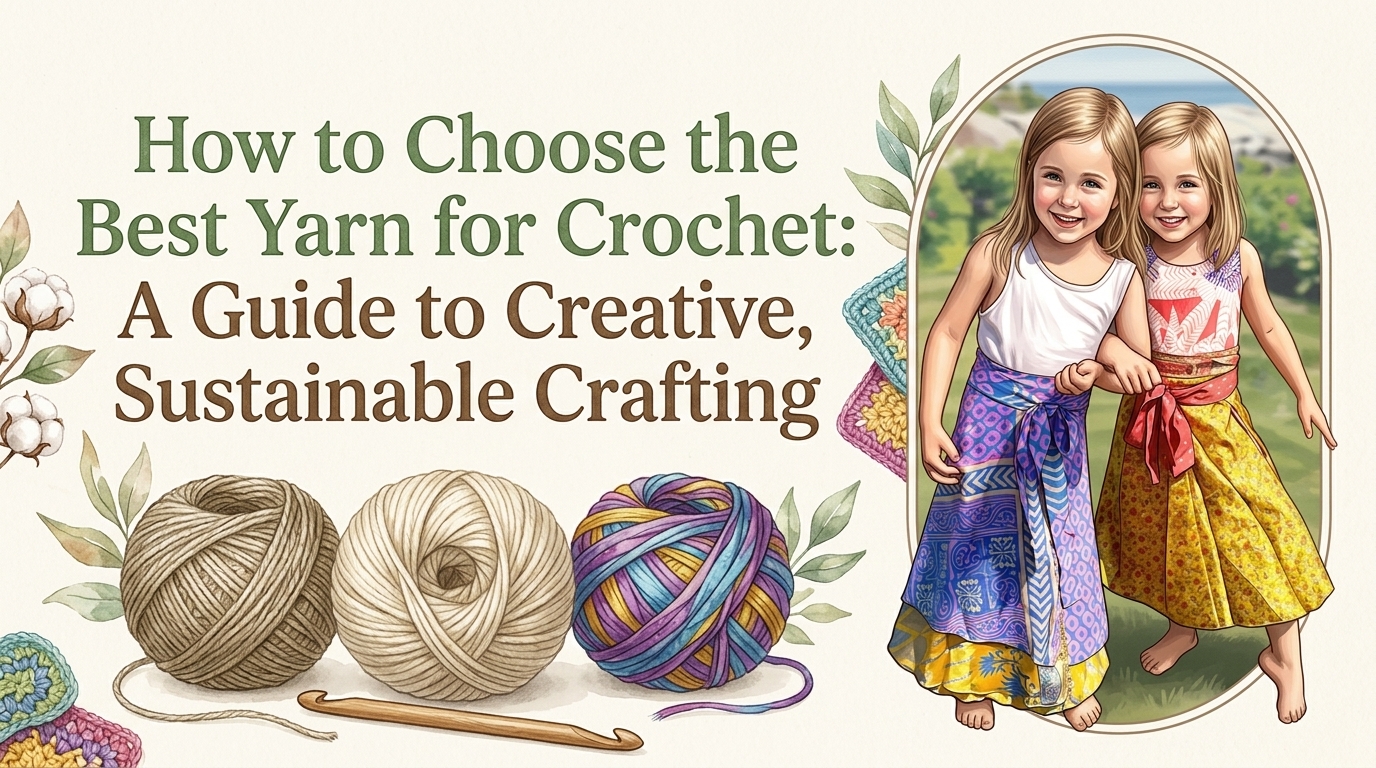
Have you ever started a crochet project only to discover that your yarn keeps splitting, feels uncomfortable in your hands, or simply does not create the finish you imagined? Choosing the right yarn can make the difference between a frustrating afternoon and a relaxing, rewarding crafting experience.
With so many fibres, textures, weights, and colours available, finding the right Yarn for Crochet can feel surprisingly complicated, especially if you are a beginner. You might also want materials that look beautiful while supporting more sustainable crafting choices.
That is where understanding different yarn types, including Recycled Silk Yarn, can help. By learning how yarn characteristics affect your finished project, you can make smarter choices, reduce waste, and enjoy creating pieces you will be proud to use or gift.
Why Choosing the Right Yarn for Crochet Matters
Not every yarn works equally well for every project. The material that creates a beautiful lightweight shawl may not be the best option for a sturdy shopping bag or a frequently washed blanket.
Common Problems Crafters Experience
One common issue is yarn that splits while you work. This can make it difficult to insert your hook correctly and may leave stitches looking uneven.
Another challenge is choosing a fibre that feels different from what you expected. Some yarns are soft and drapey, while others have a firmer structure. A project can also turn out larger or smaller than planned if the yarn weight or hook size is unsuitable.
Budget is another consideration. Buying inexpensive yarn may seem practical, but if the material is difficult to work with or unsuitable for the intended item, you could end up spending more time and money correcting mistakes.
The solution is not necessarily to buy the most expensive yarn. It is to choose a material that suits your skill level, project, and personal preferences.
What Makes One Yarn Different From Another?
Understanding a few basic characteristics can help you narrow your options before purchasing supplies.
Fibre Type and Texture
Yarn may be made from cotton, wool, acrylic, silk, or a blend of different fibres. Each material behaves differently.
Cotton often provides a defined stitch structure, making it useful for items such as dishcloths, market bags, and summer accessories. Wool can offer warmth and elasticity, while acrylic is available in a wide range of colours and price points.
Silk-based fibres are valued for their smooth feel, lustre, and drape. Recycled Silk Yarn can offer a distinctive alternative for crafters who appreciate interesting textures and want to explore yarn made from reclaimed textile materials.
Because recycled fibres may vary in texture, thickness, and appearance, checking the product description and recommended uses is particularly important.
Yarn Weight and Hook Size
Yarn weight refers to its thickness, ranging from very fine fibres to bulky yarns. Thicker yarn generally creates larger stitches, while finer yarn produces more delicate results.
Your crochet hook should complement the yarn you choose. Always check the manufacturer's recommendations, then make a small test swatch to see whether your stitches have the right tension and appearance.
Colour and Consistency
Colour is not just a decorative decision. It can influence how clearly your stitches show and how well a finished item matches your intended design.
If you are working on a large project, check whether enough yarn is available from the same dye lot when applicable. For textured or recycled materials, slight variations may be part of the yarn's character rather than a flaw.
Practical Tips for Finding Yarn That Works
Choosing supplies becomes much easier when you match the material to your project instead of buying yarn simply because it looks appealing.
1. Start With the Finished Project
Think about what you want to make before selecting your yarn.
Blankets and scarves: Consider softness, warmth, and comfort against the skin.
Bags and baskets: Look for a fibre and thickness that provide suitable structure.
Toys and decorations: Choose yarn that supports clear stitches and the desired shape.
Lightweight accessories: Explore fibres with attractive drape and texture.
This approach helps you find the most appropriate Yarn for Crochet without paying for features you do not need.
2. Check the Care Instructions
Consider how the finished item will be used and cleaned. A frequently used household accessory may need a different level of durability and maintenance than a decorative wall hanging.
Always follow the yarn label's care instructions. Do not assume that all silk, cotton, wool, or recycled yarns can be washed in the same way.
3. Make a Small Test Swatch
Before committing to a large project, crochet a small sample using your chosen yarn and hook.
A swatch helps you evaluate stitch definition, flexibility, texture, and overall appearance. It also gives you an opportunity to adjust your hook size before investing hours into a larger design.
4. Explore Sustainable Materials
If reducing waste is important to you, look into yarns made from reclaimed or recycled fibres. These materials can give existing textiles another purpose and introduce distinctive textures into handmade projects.
However, sustainability involves more than the word "recycled." Check the fibre composition, sourcing information, and care requirements to understand what you are buying.
Why Consider Recycled Silk Yarn for Your Next Project?
For crafters who want something beyond conventional yarn, Recycled Silk Yarn can be an interesting choice. Its appeal lies in the combination of silk's characteristic sheen and the possibility of creating beautiful items from reclaimed textile resources.
Depending on its construction and thickness, it may suit accessories, decorative projects, textured scarves, and other creative pieces. Its individual character can also make handmade gifts feel more distinctive.
Keep in mind that recycled silk yarn is not automatically the best choice for every crochet project. Some varieties may have irregularities or less elasticity than other fibres. Checking the specifications and selecting a pattern suited to the material will help you achieve better results.
For shoppers exploring specialty fibres and creative supplies, Darn Good Yarn offers a place to discover distinctive yarn options, including recycled materials. Browsing different fibre types can help you compare textures, colours, and intended uses before deciding which one suits your next project.
The Benefits of Investing in Better Crochet Supplies
Choosing suitable yarn can improve your crafting experience in several ways.
Smoother progress: A yarn that works well with your hook and pattern can make stitching easier.
More attractive results: The right fibre helps bring out the texture and structure of your design.
Less wasted material: Test swatches and careful planning reduce the risk of abandoning an unsuitable project.
Greater creative freedom: Experimenting with specialty fibres can inspire new designs and techniques.
More thoughtful crafting: Recycled materials may help you explore ways to give existing resources another life.
Quality does not always mean premium pricing. It means finding a yarn that performs well for your intended purpose and offers the features you genuinely value.
If you want to experiment with unusual fibres, Darn Good Yarn is worth exploring for inspiration and specialty yarn choices. Taking time to compare product details can help you find supplies that fit both your creative goals and your budget.
Final Thoughts: Make Every Crochet Project More Rewarding
The right yarn can transform crochet from a frustrating task into an enjoyable creative routine. Start by identifying your project's needs, checking fibre characteristics, choosing a suitable hook, and testing your stitches before beginning a larger piece.
Whether you need everyday Yarn for Crochet or want to experiment with the distinctive texture of Recycled Silk Yarn, focus on material suitability, care requirements, and the finish you want to achieve.
Explore different fibres, learn from small experiments, and choose supplies that make sense for your skills and goals. With a little preparation, you can create more confidently, make thoughtful use of your materials, and enjoy handmade pieces that reflect your own style.
Recent Blogs
-
How to Choose the Best Automatic Masturbator for Men: A Practical Buying Guide
-
How to Choose an Adult Doll Based on Material, Care, and Long-Term Use
-
How to Find Affordable Jewellery in Australia Without Compromising on Style or Quality
-
Heavy Duty Dog Beds for Dogs That Destroy Everything
-
How to Choose Natural Skincare Products for Healthy, Youthful-Looking Skin