How to Choose the Right Bicycle Components

A solid bike isn't just a bike that's light or has a high level of power.
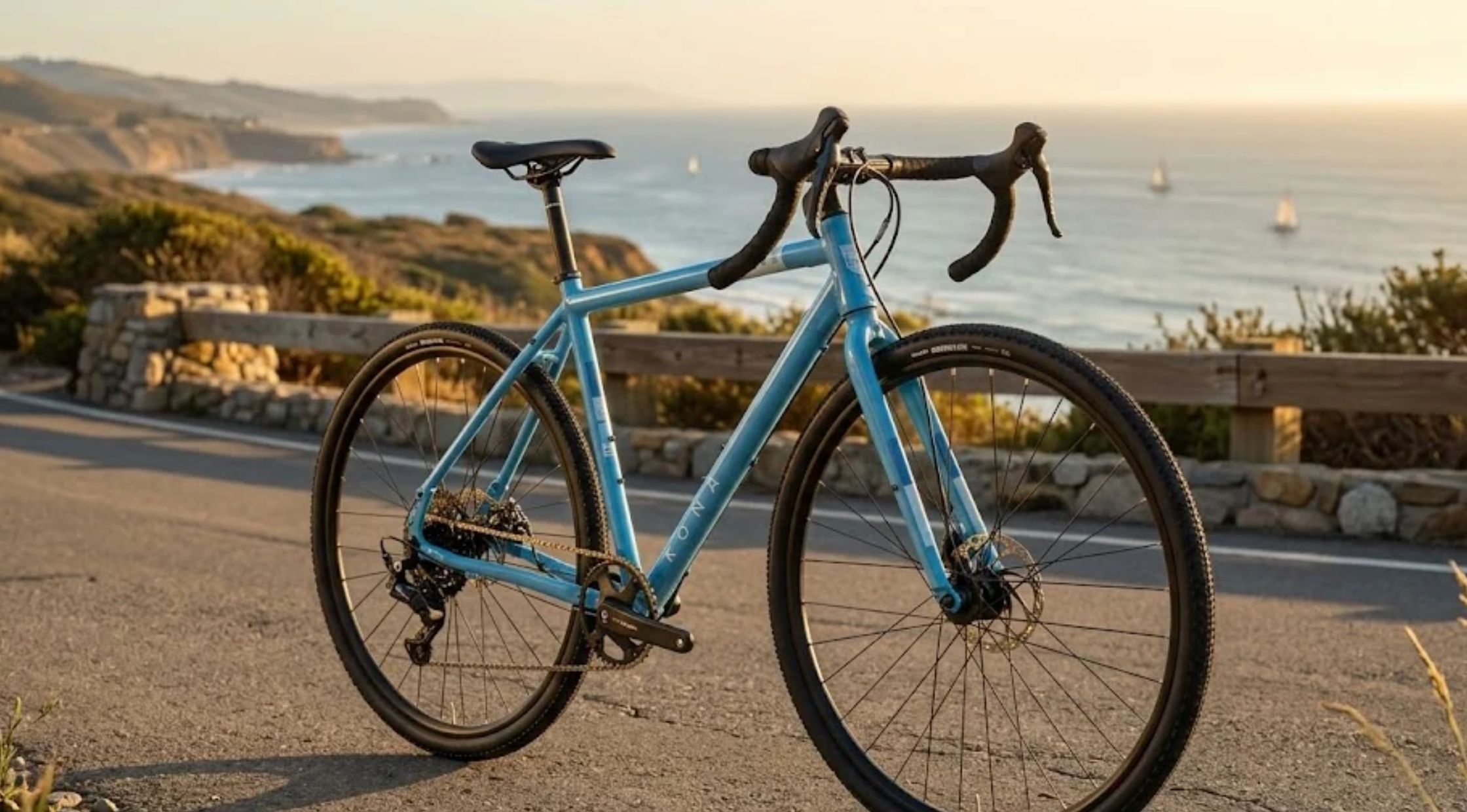
A solid bike isn't just a bike that's light or has a high level of power. The correct parts can help in better handling, pedaling performance, comfort, and safety in various riding situations. Whether you ride in the city, in trains or for competitive cycling, knowing your gear will help you to make better buying decisions. When it comes to looking into Colorado Cyclist, it's a brand that you do not want to overlook. Every decision from bike saddles to bicycle crank to helmet should complement your style and bicycle.
The Importance of Bike Parts
The different parts of a cycle are integrated to provide a safe and enjoyable ride. Brakes are used to control your speed, cranksets convert your foot power into the movement of your drivetrain and helmets help to protect your head in a crash.
But not all upgrades are equal for all cyclists. Road racer equipment might not be appropriate for a mountain bike, and mountain bike gear might not be appropriate for a road racer.
How to Choose the Right Bike Lever
The bike lever is an important control part, which can be used to operate the brakes or shifting mechanism. The right design can have an impact on comfort, accessibility and overall control.
Compatibility Requirements
The first step is to determine if a brake lever, gear shifting lever, or integrated control system is required. These parts have various functions and do not necessarily interchange.
When choosing brake levers, ensure they are compatible with your braking system. Mechanical disc and rim brakes might have different requirements than hydraulic brakes. Hydraulic levers must be compatible with the brake system and the fluids used.
When replacing a shifting control, check the brand, model, and either cable-pull or electronic compatibility. Similar looking components may not work well together.
Comfort and Adjustability
Lever comfort varies from hand size to riding position and the amount of time on the lever. The ability to vary reach can allow the rider to ensure the controls are within easier reach, especially when wearing gloves or riding over uneven surfaces.
Road cyclists might want controls integrated with the brakes and gear, whereas mountain bikers may pay attention to having a secure placement and access from the handlebars. Read the installation instructions and manufacturer specifications before deciding to purchase.
Does the FSA Gossamer Crankset Fit Your Bicycle?
The crankset is designed to help you push power through your legs to the bicycle's drivetrain. Its fit, length and compatibility may impact the efficiency of your pedaling system.
For road bikes or when replacing a compatible crankset, an fsa gossamer crankset should be explored. Don't just purchase products by name, always check the actual model and specifications.
Assess Drivetrain Compatibility
Each crankset has a different configuration of chainrings, mounting standards, spindle design, and purpose of the drivetrain. Verify the number of chainrings, chain compatibility, bottom bracket and clearance in your frame.
Select the Appropriate Crank Length
In a crank length, it refers to how far your pedals travel around the bottom bracket. While different riders may find different arms to be more or less suitable, the ideal arm length will vary with leg proportions, riding position, comfort, and performance objectives.
Don't think that longer crank arms = more power. If pedaling is comfortable, there will be no strain on knees or hips.
Colorado Cyclist is one component that might be considered when comparing cycling components, but be sure to verify the exact specifications, included parts and installation instructions for the model you select. When in doubt, a trained bicycle mechanic can check it for you.
The Reasons Why Wearing a Bicycle Helmet Is Important
A full face bicycle helmet is one that covers the entire face and chin and is important for downhill mountain biking, bike parks, and other challenging off-road sports where facial protection is a concern.
Ensure the Helmet Is Fitted to Your Riding Style
Helmet designs depend on the purpose they are used for. Lightweight road helmets will emphasize ventilation and are going to be lighter than their full-face counterparts, which will offer extra protection for more extreme riding.
Take into account the location of the ride, the amount of ventilation required, and if the helmet is made for that type of sport. A helmet for use in one type of cycling need not be suitable for all cycling.
Prioritize Fit and Certification
A helmet should lie flat on the head, fit snugly but not be so tight as to cause pain and should not wobble or roll on the head. Use the manufacturers' sizing guidelines and install the retention system and straps properly.
Look for any safety certifications and make sure the helmet is designed for the type of riding you will be doing. Replace helmet after a major impact or when recommended by the manufacturer. A helmet may have lost its protective impact even if it cannot be seen to be damaged.
Please don't pick a helmet just because it's aggressive or because it's the same color as your bike. Functionality, purpose and proven safety are more important than looks.
The Ultimate Guide to Creating a Well-Rounded Cycling Setup
When looking at your bicycle as a whole system, you can better consider each individual part you choose. Brake controls need to be compatible with the braking system; cranksets must align with the drivetrain; and protective gear needs to be appropriate for your riding conditions.
Research before buying product; check what it comes with, warranty, installation, and customer reviews. While reviews can offer practical concerns, manufacturer documentation will provide the practical answer to technical compatibility.
Establish a budget including any tools, adapters, replacement parts or professional installation that may be required. Inspection of controls, drivetrain movement and fasteners before riding after installation. Practice the bicycle in a secure location prior to riding it on active roadways or on difficult trails.
Final Thoughts
With the right gear, you can ride with a newfound sense of confidence, comfort and control. A bicycle lever, a fsa gossamer crankset that has been carefully selected, and a properly-fitted full face bicycle helmet all play a role in a reliable, bicycle setup. Among the brands to consider while shopping for cycling gear and components is Colorado Cyclist. Do check compatibility, specifications and safety requirements before buying as your upgrades need to work for you.