How to Choose the Right Ductless Mini Split AC for Year-Round Comfort

Discover how to choose the right Ductless Mini Split AC for year-round comfort. Compare capacity, efficiency, heating performance, and features to find the best system for your home.
Is one room in your home always too hot while another feels uncomfortably cold? Perhaps your upstairs bedroom becomes stuffy in summer, your garage is difficult to use in winter, or your energy bills keep rising despite adjusting the thermostat. These problems are common in homes where traditional heating and cooling systems cannot maintain comfortable temperatures everywhere.
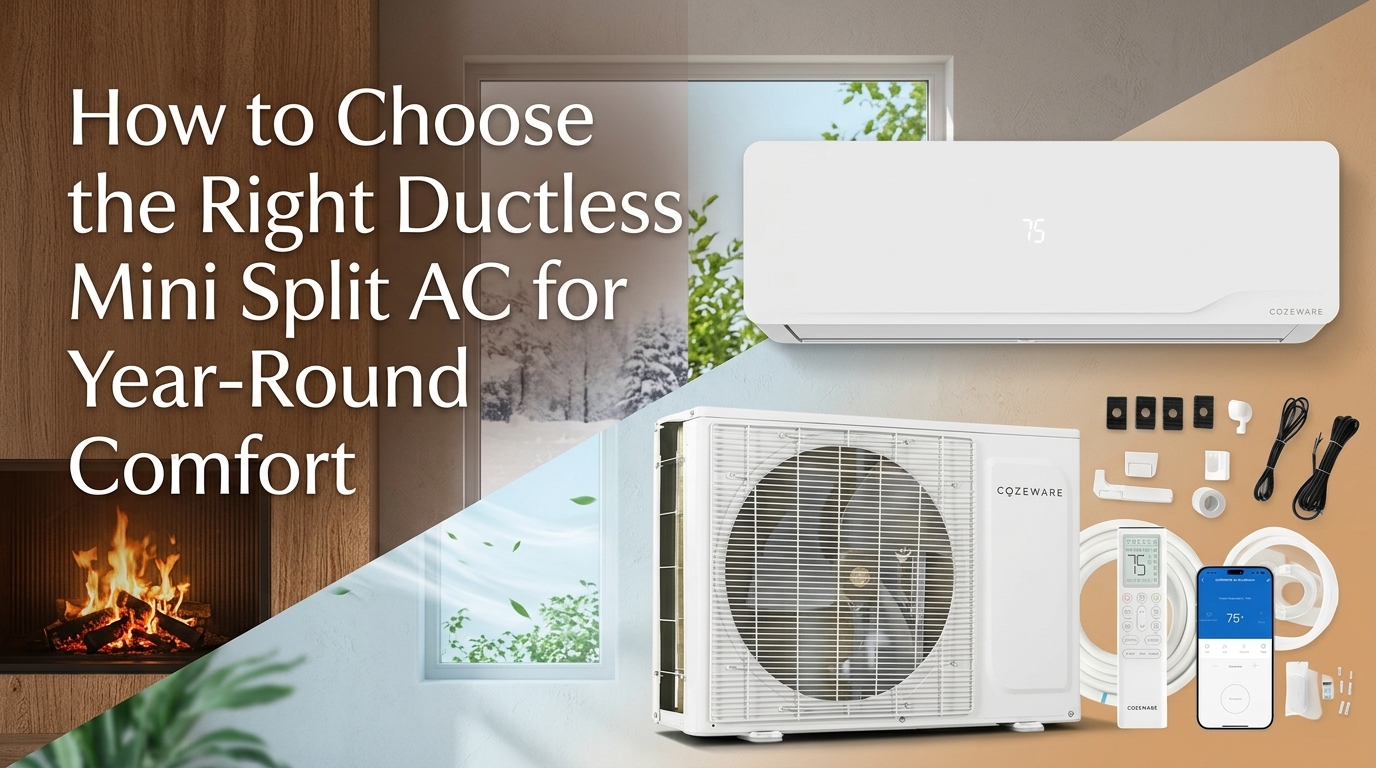
A Ductless Mini Split AC can offer a practical alternative by providing targeted heating and cooling without requiring a network of air ducts. For homeowners looking for year-round comfort, a Mini Split Heat Pump may be especially useful because it can cool a room during warmer months and provide heat when temperatures drop.
Understanding how these systems work and which features matter most can help you make a smarter investment.
Common Heating and Cooling Problems at Home
Before choosing a new system, identify the problems you want to solve.
Uneven Temperatures Between Rooms
Some rooms receive less airflow than others, particularly in older homes, extensions, converted garages, and spaces far from the central HVAC system. As a result, one room may feel comfortable while another remains too warm or cold.
High Energy Bills
Traditional HVAC systems may use more energy than necessary when heating or cooling large areas to accommodate the needs of just one room. Poor insulation, air leaks, and outdated equipment can increase energy consumption further.
Expensive or Impractical Ductwork
Installing new ducts can be complicated in homes that were not designed for central heating and cooling. Finished walls, limited attic space, and home additions can make the installation expensive or disruptive.
Limited Comfort Throughout the Year
Some homeowners use separate appliances for summer cooling and winter heating. Managing multiple systems can be inconvenient, especially when a single solution could handle both functions.
Why Do These Problems Occur?
Heating and cooling challenges often come down to system design, insulation, and how a space is used.
A central HVAC system distributes conditioned air through ducts. If those ducts are poorly sealed, inadequately sized, or improperly balanced, some rooms may not receive enough airflow. Rooms exposed to direct sunlight or located above garages can also experience greater temperature fluctuations.
Another issue is equipment sizing. A system that is too small may struggle to maintain the desired temperature, while an oversized system may cycle on and off too frequently. Both situations can affect comfort and efficiency.
A Ductless Mini Split AC addresses some of these challenges by delivering conditioned air directly into the room where the indoor unit is installed. This makes it a useful option for spaces that are difficult to serve with conventional ducted systems.
How to Choose the Right Ductless Mini Split AC
Selecting the right system involves more than comparing prices or choosing the highest advertised capacity. Consider these practical factors before buying.
1. Choose the Correct BTU Capacity
BTU capacity indicates how much heating or cooling a system can provide. Common residential models include 9,000, 12,000, 18,000, and 24,000 BTU options.
However, room size is only one factor. Ceiling height, insulation, window placement, sunlight exposure, climate, and the number of occupants can all affect the required capacity.
Use a manufacturer's sizing guidance or consult an HVAC professional rather than choosing solely by square footage. Proper sizing helps the system maintain comfortable temperatures without unnecessary energy use.
2. Consider Heating and Cooling Requirements
If you need comfort in both summer and winter, a Mini Split Heat Pump may be a suitable choice.
Heat pumps transfer heat rather than generating it through conventional electric resistance heating. In cooling mode, they move heat out of the room; in heating mode, they extract heat from outdoor air and transfer it indoors.
Performance varies with outdoor temperature and equipment design, so check the model's heating capacity and operating-temperature range for your local climate.
3. Compare Energy Efficiency Ratings
Efficiency ratings help you compare systems before purchasing. Look at the applicable SEER2 rating for cooling efficiency and HSPF2 rating for heating performance.
Higher ratings can indicate better efficiency under standardized testing conditions, but actual savings depend on electricity rates, climate, installation quality, insulation, and how frequently you operate the unit.
An efficient system that is correctly sized and professionally installed is generally a better starting point than choosing equipment based on price alone.
4. Look for Convenient Controls
Modern ductless systems may offer remote controls, programmable settings, sleep modes, and Wi-Fi connectivity on selected models.
These features can make it easier to adjust temperatures around your routine. For example, you may want a cooler bedroom at night or a comfortable home office during working hours without continuously changing settings.
5. Check Noise Levels and Installation Requirements
Noise can be especially important in bedrooms, nurseries, and home offices. Compare the published indoor-unit sound levels and consider where the unit will be positioned.
Also, remember that ductless systems still require installation. The process generally involves mounting the indoor unit, positioning an outdoor condenser, connecting refrigerant lines, and providing suitable electrical service. A qualified installer can confirm the requirements and ensure the system is commissioned correctly.
Why Consider a Premium Mini Split Heat Pump?
If your existing system struggles to maintain comfortable temperatures, a premium Mini Split Heat Pump can provide a more targeted approach to indoor climate control.
Depending on the model, features may include inverter-driven operation, multiple fan speeds, advanced temperature controls, and heating performance designed for different outdoor conditions. Inverter technology adjusts compressor output to match demand, which can help maintain more consistent temperatures and reduce unnecessary cycling.
Cozeware offers ductless mini-split systems in different capacities and product series, giving homeowners options to compare based on their room requirements and preferred features. Before choosing a particular model, review its specifications, efficiency ratings, heating performance, warranty, and installation requirements.
A Ductless Mini Split AC can be particularly attractive for a home office, bedroom, converted garage, or extension where installing additional ductwork may not be practical.
Benefits of Upgrading to a Ductless System
More Targeted Comfort
Because the indoor unit serves a specific area, you can address an uncomfortable room without necessarily changing the temperature throughout the entire house.
Potential Energy Savings
Ductless systems avoid the distribution losses associated with ductwork and can provide efficient heating and cooling when properly selected and installed. Actual savings are not guaranteed and depend on your existing system and usage habits.
Year-Round Convenience
A heat pump can provide cooling during warm weather and heating during colder periods, reducing the need for separate room-conditioning appliances.
Flexible Installation Options
Ductless systems can work well in home additions, garages, and other spaces where extending central HVAC ductwork is difficult. However, the outdoor unit, electrical supply, and refrigerant-line routing still need suitable locations.
Make a Smarter Choice for Your Home
You do not have to accept uncomfortable rooms, complicated renovations, or inefficient heating and cooling as permanent problems. Start by identifying the areas that need attention, checking your home's insulation, and determining the heating and cooling capacity required.
Then compare a Ductless Mini Split AC with your existing options, paying close attention to efficiency, noise, controls, warranty, and professional installation. If you need both heating and cooling, a Mini Split Heat Pump may offer a convenient all-in-one solution.
Explore the available systems from Cozeware, compare their specifications, and select a model that fits your space and climate. With careful planning, you can create a more comfortable home while making a better-informed long-term investment.
Recent Blogs
-

Everything Buyers Should Know Before Shopping at Titan Attachments
-
How to Choose an Adjustable Smart Bed for Better Sleep as a Couple
-
How to Choose a Modern Bathroom Vanity for a Stylish, Functional Bathroom
-
How to Create a Stylish Home with Luxury Modern Furniture
-
How an Adjustable Air Bed Can Help You Sleep More Comfortably