Powering Life Beyond the Grid A Practical Guide to WattCycle Batteries

Whether you're preparing an RV for a long road trip, setting up a small solar system, or looking for dependable backup power, choosing the right battery makes a significant difference.
Whether you're preparing an RV for a long road trip, setting up a small solar system, or looking for dependable backup power, choosing the right battery makes a significant difference. Capacity, charging compatibility, weight, and battery protection all affect how well a system performs.
WattCycle focuses on lithium battery technology for recreational vehicles, marine applications, solar setups, and off-grid power systems. Its collection includes different capacities and configurations, making it a brand worth exploring if you're comparing LiFePO4 batteries for everyday and outdoor energy needs.
What Makes WattCycle a Battery Brand Worth Exploring?
WattCycle specializes in lithium iron phosphate battery technology, commonly known as LiFePO4. This chemistry is popular in energy storage because it offers a combination of durability, usable capacity, and relatively stable operation.
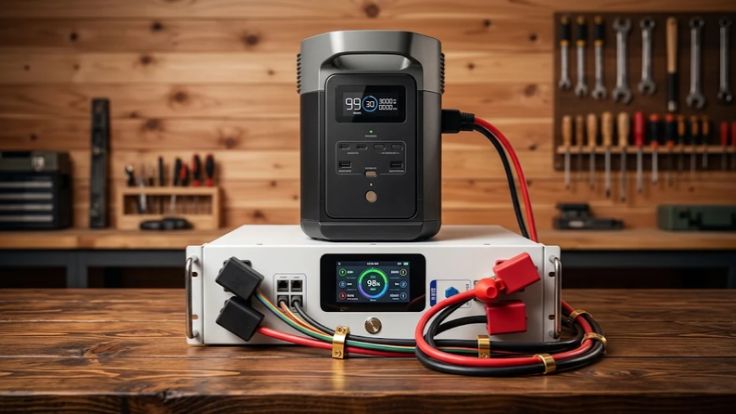
The brand offers several product categories, including compact 12V batteries, larger-capacity batteries, trolling motor batteries, server rack batteries, and complete inverter systems.
One example is its 12V 100Ah Group 24 battery. The product listing describes a 1280Wh energy capacity, a 100A battery management system, and compatibility with applications such as RVs, marine equipment, home storage, and off-grid setups.
These features make LiFePO4 batteries worth considering when replacing older lead-acid systems or planning a new power installation.
Understanding the Benefits of Lithium Battery Technology
Before choosing a model, it helps to understand why lithium batteries have become increasingly common in portable and stationary energy systems.
Longer Cycle Life
Battery lifespan depends on usage, charging habits, temperature, and depth of discharge. WattCycle lists cycle-life figures of up to 5,000–15,000 cycles for certain models under specified conditions.
This can make a deep cycle battery a practical option for systems that regularly charge and discharge throughout the day.
However, cycle-life figures are not guarantees of a particular number of years. Actual performance depends on operating conditions and proper maintenance.
Built-In Battery Protection
Many WattCycle models include a battery management system, or BMS. This component monitors battery operation and helps protect against conditions such as overcharging, excessive discharge, and short circuits.
Some models also include low-temperature charging protection. This matters because charging lithium batteries below their permitted temperature range can cause damage.
When comparing a 12V lithium battery, check the BMS rating and temperature limits instead of assuming every model provides identical protection.
Compact and Lightweight Options
Battery weight can become an important consideration in an RV, boat, or portable power setup. WattCycle offers compact models designed for installations where available space and weight matter.
For example, its 12V 100Ah Mini Bluetooth model lists a weight of approximately 9.5kg and a capacity of 1280Wh. The smaller dimensions may be useful where a conventional battery would take up too much room.
Where Can WattCycle Batteries Be Used?
Different applications require different capacities and power configurations. Understanding your intended use makes choosing a battery easier.
RVs and Camping
An RV may need electricity for lighting, refrigerators, fans, charging devices, and other equipment. A suitably sized 12V lithium battery can support these loads when matched with the electrical system.
Before purchasing, calculate the total daily energy consumption and consider how long you want to operate without recharging.
Solar Energy Systems
Solar panels generate electricity during daylight hours, but energy is often needed after sunset. This is where solar battery storage becomes useful.
A compatible WattCycle battery can store energy generated by solar panels for later use. However, the battery must work with the solar charge controller, inverter, and system voltage.
For larger installations, multiple batteries may be connected in approved configurations. Always follow the manufacturer's limits for series and parallel connections.
Marine and Trolling Motor Applications
Boats and fishing equipment often require batteries that can provide consistent power during extended trips.
WattCycle offers dedicated trolling motor batteries alongside general-purpose models. Choosing a battery designed for the application can help ensure that its discharge rating, voltage, and capacity suit the equipment.
How to Choose the Right Battery
A higher capacity does not automatically mean a better purchase. The correct choice depends on your equipment and electricity requirements.
Consider these factors before ordering:
- Capacity: Compare amp-hours and watt-hours to understand how much energy the battery stores.
- Voltage: Make sure the battery matches your inverter, motor, or electrical system.
- Continuous current: Check whether the BMS can support your equipment's operating requirements.
- Temperature protection: Review charging and discharging limits, especially for outdoor installations.
- Expansion: Confirm the permitted series and parallel configurations before planning a larger system.
For solar battery storage, also calculate your expected daily consumption and available solar charging capacity. This prevents purchasing a battery that is either too small for your needs or unnecessarily expensive.
Warranty, Maintenance, and Buying Considerations
WattCycle lists a five-year base warranty for new LiFePO4 batteries, with an additional two years available through product registration under its stated conditions. Registration deadlines and exclusions should be checked before purchasing.
The brand also provides product manuals and technical support. Read the manual carefully before installation, use compatible charging equipment, and keep battery terminals and connections secure.
Shipping is another important consideration. The US website advertises free shipping within the contiguous United States, but this does not establish delivery availability to every international destination. Check country-specific availability, shipping costs, and import requirements before ordering.
FAQs
Can WattCycle batteries replace lead-acid batteries?
Some models are marketed as lead-acid replacements, but compatibility depends on voltage, dimensions, charging requirements, and discharge characteristics. Check your equipment specifications first.
Can I monitor a WattCycle battery through my phone?
Selected Bluetooth-enabled models support smartphone monitoring, allowing users to check battery information through a compatible application.
Are all WattCycle batteries suitable for solar panels?
Not automatically. Check the battery's charging specifications and ensure your solar charge controller and inverter are compatible with its voltage and chemistry.
How should I store a LiFePO4 battery?
Follow the model-specific manual for recommended storage charge, temperature, and inspection intervals. Avoid leaving the battery in conditions outside its specified operating limits.
Final Thoughts
Choosing a battery is about matching stored energy with real electricity requirements. From RV installations and marine equipment to off-grid projects, WattCycle offers several configurations worth comparing.
Pay attention to capacity, voltage, BMS protection, charging compatibility, and warranty conditions before making a decision. With the right setup, LiFePO4 batteries can provide a practical foundation for dependable energy storage.
Stay tuned to GeeksLetter to explore more about WattCycle.