Utility Boots vs. Duck Boots: How to Choose the Right Boots for Everyday Wear

Maybe your feet get damp during a walk, your soles struggle on slippery sidewalks, or your everyday footwear feels too bulky for regular activities.
Have you ever stepped outside on a rainy morning, only to realize your shoes aren't suitable for the weather? Maybe your feet get damp during a walk, your soles struggle on slippery sidewalks, or your everyday footwear feels too bulky for regular activities. Finding boots that balance protection, comfort, and style can be more difficult than it seems.
That's where Utility Boots and Duck Boots come into the picture. Both styles can be practical additions to your wardrobe, but they serve slightly different purposes. Understanding their construction, fit, and intended use can help you choose footwear that works for your daily routine instead of leaving you uncomfortable when conditions change.
Whether you're commuting, running errands, exploring outdoors, or simply looking for versatile footwear, the right pair can make a noticeable difference.
Common Problems With Everyday Boots
Before choosing new footwear, consider the issues that make your current pair less practical.
1. Wet Feet During Rainy Weather
Regular sneakers and casual shoes may offer little protection against puddles, wet grass, or muddy paths. Moisture can enter through seams, uppers, or openings around the ankle, leaving your socks uncomfortable.
While some boots are designed with water-resistant materials, others prioritize appearance over weather protection. Knowing the difference is essential when shopping for footwear you plan to wear outdoors.
2. Slippery or Uncomfortable Soles
A boot may look rugged but still lack the tread needed for your usual environment. Smooth or worn-out soles can feel unreliable on wet pavement and uneven surfaces.
Comfort is another concern. Heavy footwear, stiff materials, and poorly fitted interiors can cause discomfort during long periods of standing or walking.
3. Boots That Don't Suit Your Lifestyle
Some people need footwear for outdoor tasks, while others want a versatile pair for commuting and casual outfits. Choosing boots without considering their primary purpose can result in a purchase that looks good but rarely gets worn.
4. Paying More Without Getting Better Performance
Premium pricing doesn't automatically mean better protection or comfort. Features such as sole construction, lining, material quality, and fit are more useful indicators of whether a pair suits your needs.
What Makes Utility Boots and Duck Boots Different?
Although both styles have practical roots, their designs can differ in meaningful ways.
Understanding Utility Boots
Utility Boots are designed around function and durability. Depending on the model, they may feature reinforced construction, supportive soles, durable uppers, and rugged tread patterns.
They can be useful for everyday outdoor activities, travel, and casual wear when you want a sturdy, structured look. However, the term covers a broad range of designs, and not every utility boot is waterproof or suitable for demanding work.
If you spend a lot of time walking or standing, pay attention to weight, cushioning, ankle support, and sole flexibility. For occupational use, always check whether the boots meet the safety requirements of your workplace.
Understanding Duck Boots
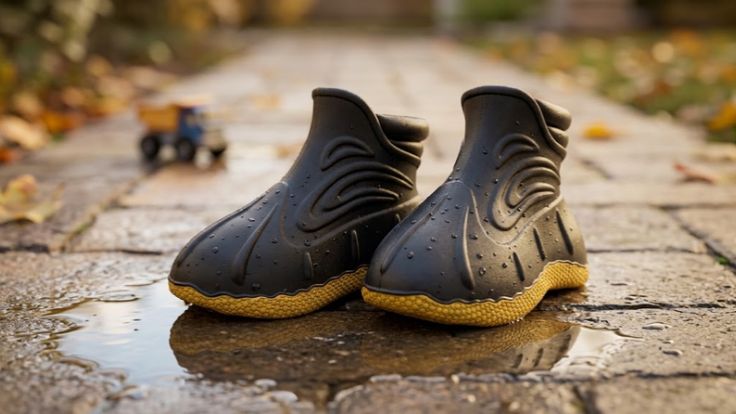
Duck Boots traditionally combine a water-resistant or waterproof lower section with an upper made from materials such as leather, textile, or other durable fabrics. Their distinctive design makes them popular for wet weather, muddy paths, and casual outdoor use.
The lower section is often intended to help keep water out when walking through shallow puddles. However, waterproof performance depends on the construction, seams, materials, and closure design.
Duck boots can be especially useful when you want weather-conscious footwear that still works with everyday outfits. Check the manufacturer's specifications to determine whether a particular pair is suitable for rain, snow, or more demanding conditions.
Why Do Some Boots Perform Better Than Others?
The difference often comes down to construction rather than appearance.
Materials matter. Treated leather, synthetic uppers, rubber components, and waterproof membranes each offer different advantages. The best choice depends on the conditions in which you'll wear your boots.
Sole design matters. Tread depth and rubber composition can influence grip, although no sole guarantees traction on every slippery surface.
Fit affects comfort. Boots that are too tight can create pressure points, while oversized boots may cause rubbing and instability. Consider the socks you'll wear and leave enough room for your toes to move naturally.
Maintenance matters, too. Dirt, worn tread, damaged seams, and neglected materials can reduce performance over time. Regular cleaning and appropriate conditioning can help extend the life of many boots.
Practical Tips for Choosing the Right Pair
You don't need to buy several pairs to cover every situation. Start by identifying the conditions you encounter most often.
Match the Boot to Your Daily Activities
If your routine involves outdoor errands, light trails, or uneven ground, a durable pair of Utility Boots may be a good fit. Look for a comfortable interior, reliable tread, and construction suited to your activities.
If wet weather is your biggest concern, Duck Boots may be a more practical choice. Check the water-resistance claims carefully and consider whether the height offers enough coverage for the puddles or muddy paths you regularly encounter.
For hazardous work environments, choose purpose-built protective footwear rather than assuming fashion-oriented boots provide adequate safety features.
Prioritize Fit Before Appearance
Try boots on with the socks you expect to wear most often. Walk around to check for heel slipping, pressure around the toes, or uncomfortable stiffness.
Remember that thick materials don't necessarily mean better support. A well-fitting boot with appropriate cushioning may feel more comfortable than a heavier model with unnecessary bulk.
Consider Versatility and Care
Neutral colors and classic designs can work with jeans, casual trousers, and outdoor clothing. If you want one pair for frequent use, consider how easily it will fit into your existing wardrobe.
Also, think about maintenance. Some materials need regular conditioning, while others are easier to wipe clean. Follow the care instructions for your specific pair to preserve its appearance and performance.
Exploring a Premium Boot Upgrade
If your current shoes struggle with wet conditions or everyday wear, upgrading to a thoughtfully designed pair may be worthwhile.
FCTRY LAb US offers footwear styles that include duck boots and other distinctive designs. When exploring its collection, compare each model's materials, sole construction, fit guidance, and weather-related specifications instead of relying on appearance alone.
For shoppers who value a rugged aesthetic, Utility Boots can offer a structured look suited to casual outfits and outdoor activities. Meanwhile, Duck Boots may be worth considering when wet-weather practicality is a priority.
The best premium option is one that solves a real problem in your routine. Spending more makes sense when the materials, comfort, and performance features justify the cost.
Benefits of Choosing Better Boots
The right footwear can improve your day in several ways.
Greater everyday comfort: A suitable fit and supportive design can make walking and standing more pleasant.
Better weather readiness: Boots designed for wet conditions can help protect your feet when used within their stated limits.
More versatile styling: Well-chosen boots can complement multiple outfits, making them useful beyond a single season.
Potentially longer wear: Quality materials and proper care can help reduce premature deterioration.
More confident purchasing: Understanding the construction and intended use helps you choose based on performance rather than trends alone.
FCTRY LAb US is one option to explore when comparing distinctive boot designs. Review the details of individual styles to find a pair that aligns with your comfort preferences and typical outdoor conditions.
Find Boots That Work for Your Lifestyle
Choosing between Utility Boots and Duck Boots becomes easier when you focus on how you'll actually use them. Consider your local weather, the surfaces you walk on, your comfort requirements, and how much maintenance you're willing to do.
For rugged everyday wear, Utility Boots may be the right choice. If dealing with rain and muddy paths is a regular part of your routine, Duck Boots may offer a more suitable design.
Before making a purchase, compare materials, tread, fit, and verified water-resistance claims. Explore options from FCTRY LAb US, and choose footwear that balances practicality with a style you'll enjoy wearing. The right pair should make everyday activities easier, more comfortable, and better suited to your needs.