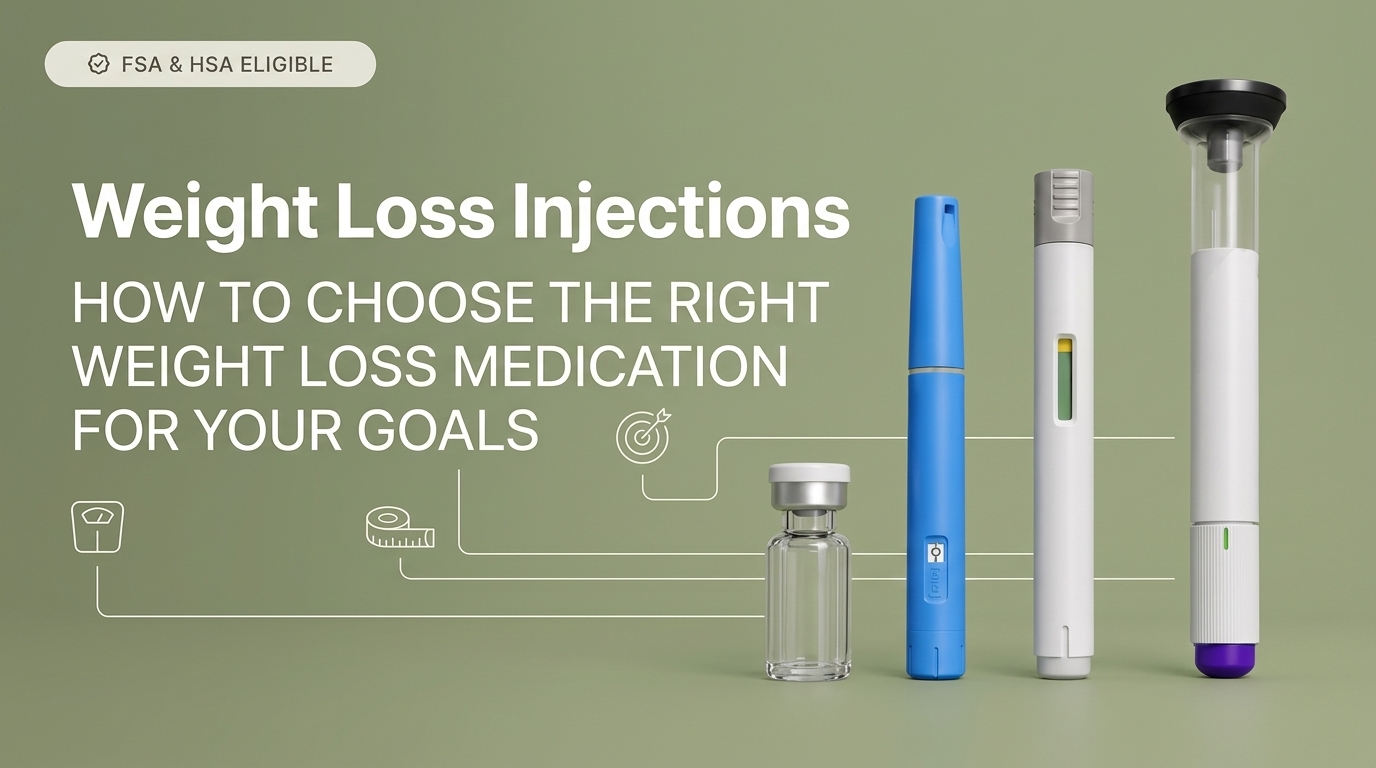
Weight Loss Injections: How to Choose the Right Weight Loss Medication for Your Goals

Explore weight loss injections and prescription medication options, including GLP-1 treatments and tirzepatide. Learn about potential benefits, side effects, lifestyle changes, and professional medical guidance to make informed decisions about your weight management goals.
Have you ever followed a diet, increased your exercise, and watched the scale barely move? Perhaps you lose a few pounds at first, only to regain them weeks later. When progress feels unpredictable, it can be tempting to wonder whether there is a better way to manage your weight.
Weight management is more complicated than simply eating less and moving more. Appetite, hormones, sleep, genetics, medical conditions, and certain medications can all influence results. For some people, professional support and prescription treatment may provide additional options.
This is why weight loss injections have attracted growing interest. These treatments can help eligible patients manage appetite and body weight, particularly when combined with sustainable lifestyle changes. However, choosing the right weight loss medication requires understanding how different treatments work, what their limitations are, and whether they are suitable for your health needs.
Why Can Losing Weight Be So Difficult?
Before exploring medical treatments, it helps to understand some common obstacles.
Persistent Hunger and Food Cravings
Feeling hungry shortly after meals can make it challenging to follow a nutrition plan. Appetite hormones influence feelings of fullness, while stress, poor sleep, and restrictive dieting can affect cravings and eating habits.
Weight Loss Plateaus
As your weight decreases, your body may need fewer calories to function. Changes in energy expenditure and appetite can slow progress, even when you continue following the same routine.
Difficulty Maintaining Results
Strict diets often promise quick results but can be difficult to maintain. When an eating plan feels too restrictive, returning to previous habits may lead to weight regain.
These challenges do not mean you lack discipline. They highlight why a realistic, personalised approach can be more useful than repeatedly trying short-term solutions.
Understanding Weight Loss Injections and Medication Options
Not every weight management treatment works the same way. Some prescription medications affect appetite and blood sugar regulation, while others work through different mechanisms.
GLP-1-Based Treatments
Medicines such as semaglutide mimic the action of GLP-1, a hormone involved in blood sugar regulation and appetite. They can help people feel fuller for longer and reduce appetite.
Wegovy is an FDA-approved semaglutide option for chronic weight management in eligible patients. Ozempic contains the same active ingredient but is approved for different indications, including certain uses in type 2 diabetes management.
Dual-Hormone Treatments
Tirzepatide acts on both GIP and GLP-1 receptors. In the United States, it is marketed as Zepbound for chronic weight management in eligible patients and as Mounjaro for certain uses, including type 2 diabetes management.
Clinical studies have shown meaningful average weight reductions with these treatments, although individual results vary. Neither option guarantees a particular outcome, and both require appropriate medical assessment.
Are These Treatments Suitable for Everyone?
No. A clinician needs to consider your medical history, current medications, health conditions, and treatment goals before recommending a prescription.
Potential side effects include nausea, vomiting, diarrhoea, constipation, and abdominal discomfort. These medications also have important warnings and precautions. They are not appropriate for everyone, including certain people with specific medical histories or those who are pregnant.
Practical Ways to Support Healthy Weight Management
Medication may be helpful for some people, but everyday habits remain an important part of a sustainable plan.
1. Focus on Balanced Nutrition
Build meals around protein, vegetables, fruit, whole grains, and appropriate sources of healthy fats. Balanced meals can help support fullness and provide essential nutrients.
Avoid extreme calorie restriction, which can make a healthy routine difficult to maintain.
2. Make Movement Consistent
Walking, cycling, swimming, and resistance training can support overall health. Choose activities that suit your fitness level and schedule, then build gradually.
Strength training can also help preserve muscle during weight loss.
3. Improve Sleep and Manage Stress
Poor sleep and ongoing stress can influence appetite, energy, and food choices. A regular sleep schedule, relaxing activities, and realistic daily routines can make healthy habits easier to follow.
4. Set Realistic Goals
Look beyond daily scale readings. Consider changes in strength, energy, fitness, eating habits, and other health measures recommended by your clinician.
Sustainable progress often requires adjustments over time rather than a single perfect plan.
When Should You Consider Professional Weight Loss Support?
If lifestyle changes have not produced the results you need, speaking with a qualified healthcare professional can help you explore appropriate options.
A clinician can assess whether prescription weight loss medication may be suitable, explain the potential benefits and risks, and discuss monitoring and follow-up care. They can also help you understand the likely costs and whether your treatment is covered by insurance.
For people researching online care, Pallas Health is one service worth investigating. Before choosing a provider, review its clinician credentials, consultation process, treatment options, pricing, and arrangements for ongoing support.
Ask how prescriptions are assessed, where medications are sourced, and whom you can contact if you experience side effects. Do not assume that completing an online questionnaire automatically makes you eligible for treatment.
It is also important to distinguish FDA-approved medications from compounded versions. Compounded drugs are not FDA-approved, and the FDA does not review them for safety, effectiveness, and quality before marketing in the same way it reviews approved medicines. Compounded treatments may be appropriate in certain circumstances under applicable rules, but they should not automatically be considered equivalent to approved products.
The Benefits of a More Personalised Approach
Choosing a medically guided plan can make it easier to understand your options and set realistic expectations.
Treatment Based on Your Health
A clinician can consider your medical history and individual needs instead of recommending a one-size-fits-all solution.
Ongoing Guidance
Follow-up appointments can help monitor progress, review side effects, and determine whether adjustments are needed. This support is particularly valuable when starting a prescription treatment.
Greater Clarity About Costs and Expectations
Comparing providers helps you understand consultation fees, medication costs, follow-up arrangements, and any additional charges before committing.
Pallas Health may be one option to compare when researching online weight management services. The most important consideration is whether a provider offers appropriate clinical oversight, transparent information, and a treatment plan that fits your needs.
Conclusion: Choose a Weight Management Plan That Works for You
Weight loss injections and other prescription treatments can offer additional support for eligible patients, but they are not shortcuts that replace sustainable habits or professional care.
Understanding your options, improving nutrition, staying active, and prioritising sleep can help you build a stronger foundation for long-term health. If you are considering weight loss medication, discuss the available treatments, potential risks, and expected costs with a qualified healthcare professional.
You can also explore Pallas Health alongside other providers to compare services and determine which approach best fits your circumstances.
Rather than chasing the fastest result, focus on making an informed, medically appropriate decision that supports your health over time.
Recent Blogs
-

How to Revive Tired, Dull Skin and Build a Smarter Skincare Routine
-

How to Achieve Healthier-Looking Skin Naturally and Consistently
-

How to Choose Sunglasses That Protect Your Eyes and Match Your Lifestyle
-
How to Improve Workout Performance, Recovery, and Hydration
-

How to Build a Professional Wardrobe That Always Makes the Right Impression