Electric Wheelchair vs. Portable Mobility Scooter: How to Choose the Right Mobility Aid

Compare electric wheelchairs and portable mobility scooters to discover the best mobility aid for your daily routine. Explore comfort, portability, battery range, safety features, and practical tips for choosing the right mobility solution with Paiseec.
Maintaining independence becomes harder when walking long distances, navigating crowded places, or managing everyday errands starts to feel exhausting. Simple activities such as visiting friends, shopping, or enjoying a day outdoors can become stressful when mobility is limited. The good news is that the right mobility aid can make these experiences more comfortable and manageable.
Choosing between an Electric Wheelchair and a Portable Mobility Scooter is a useful starting point. Both can support greater independence, but they serve different needs. Understanding how each option works, what features matter most, and how your daily routine influences the decision can help you find a practical long-term solution.
Common Mobility Challenges That Affect Everyday Life
Mobility difficulties do not always mean someone cannot walk. Sometimes, standing for extended periods or covering long distances is simply too tiring. Other people may experience balance challenges, reduced stamina, joint discomfort, or difficulty navigating uneven surfaces.
These challenges can affect more than physical comfort. They may also lead people to avoid social activities, depend on family members for transportation, or feel less confident leaving home alone.
Common difficulties include:
Limited walking endurance: Getting through a shopping centre or large building can require frequent breaks. Travel complications: Bulky mobility equipment can be difficult to transport in a car or store at home. Uneven outdoor paths: Cracks, slopes, and rough surfaces can make some routes uncomfortable or unsafe.
Storage limitations: People living in apartments or smaller homes may need compact equipment.
Changing mobility needs: A device that works well today may not provide enough support as circumstances change.
Recognising which challenges affect you most makes it easier to choose equipment that fits your lifestyle rather than simply selecting the most popular option.
Why Do Mobility Problems Become More Difficult to Manage?
Several factors can influence mobility, including age-related changes, injuries, chronic conditions, reduced muscle strength, and balance difficulties. In some cases, someone can walk short distances comfortably but struggles with longer outings. The environment also matters. Stairs, narrow doorways, crowded pavements, and a lack of accessible transport can make ordinary tasks more demanding.
Another factor is choosing equipment that does not match your physical abilities. A mobility aid that is too heavy, difficult to control, or uncomfortable to sit in may create additional frustration instead of solving the problem. That is why it is important to consider your typical activities, physical support requirements, and transportation arrangements before investing in a mobility device. Electric Wheelchair or Portable Mobility Scooter: What's the Difference? Although both options provide powered mobility, they are designed with different priorities in mind.
When an Electric Wheelchair Makes Sense
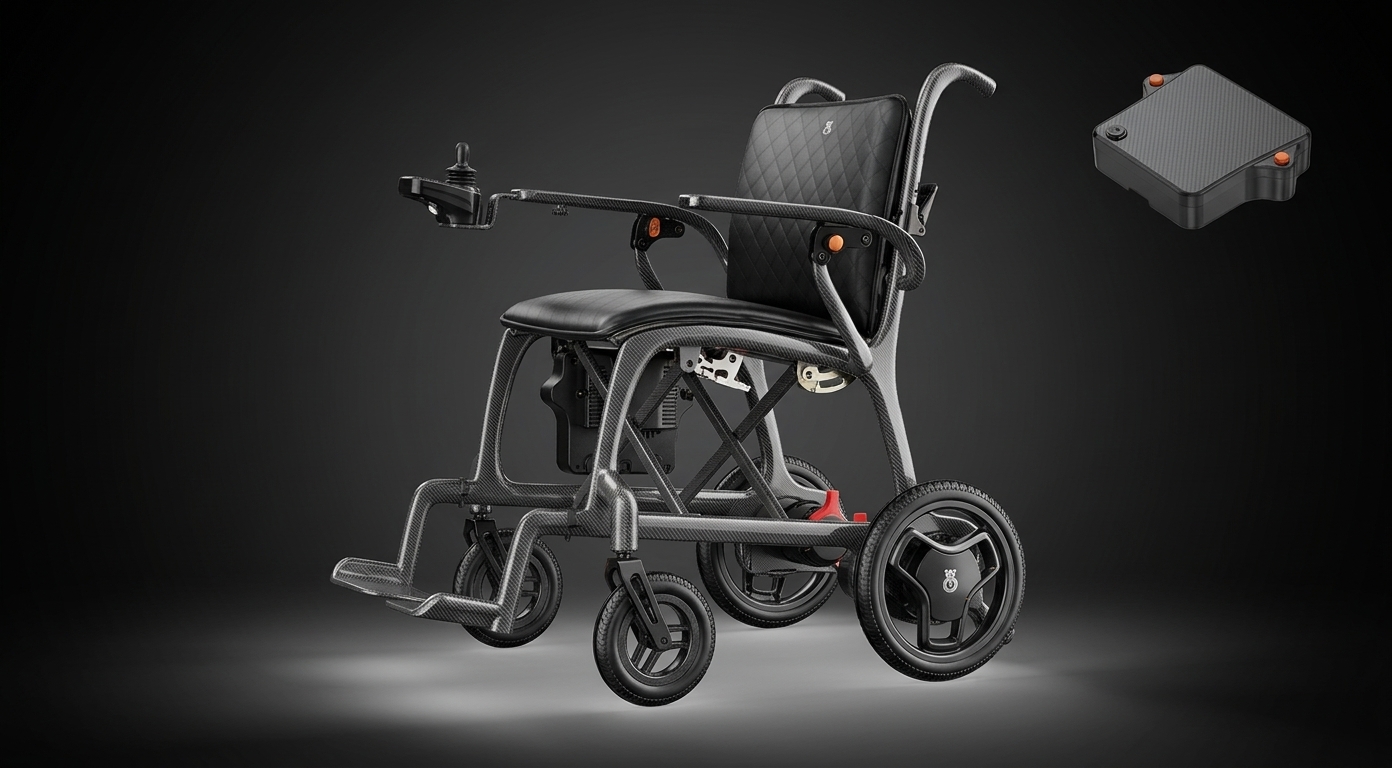
An Electric Wheelchair is often suitable for people who need consistent seated mobility and have difficulty walking or standing for extended periods. Depending on the model, it may offer supportive seating, joystick controls, adjustable features, and a compact turning radius for navigating indoor spaces.
When comparing models, consider:
Seating and posture: Look for appropriate back support, cushioning, and positioning options. Control accessibility: Make sure the joystick or alternative controls suit the user's dexterity and abilities. Turning space: Measure doorways and indoor areas to confirm the chair can manoeuvre comfortably.
Battery range: Choose a range that accommodates normal daily journeys without creating unnecessary charging concerns.
Weight capacity: Check the manufacturer's specified limits and any relevant seating requirements. An Electric Wheelchair can be particularly helpful when independent walking is significantly limited. However, the right configuration depends on the individual's needs, home environment, and level of support required.
When a Portable Mobility Scooter Is the Better Fit
A Portable Mobility Scooter may be a practical choice for someone who can sit upright comfortably, operate the steering controls safely, and transfer onto the seat independently or with suitable assistance.
These scooters are often designed with portability in mind. Some models fold or disassemble into smaller sections, making them easier to store or transport. They can be useful for shopping trips, holidays, appointments, and other everyday outings.
Before choosing a Portable Mobility Scooter, check:
Folding or disassembly: Confirm how easily it can be prepared for transport.
Total weight: Consider whether you or a caregiver can safely lift its heaviest component.
Battery performance: Compare the advertised range with your usual travel distances.
Terrain compatibility: Check the recommended surfaces, wheel design, and permitted gradients.
Comfort and stability: Evaluate the seat, steering position, and overall stability for your needs.
A Portable Mobility Scooter is not automatically the right choice for everyone who can walk. Balance, posture, reaction time, and safe operation still need to be considered.
Practical Tips for Choosing the Right Mobility Aid
Rather than focusing only on price or appearance, use a few straightforward checks to narrow your options.
1. Start With Your Daily Routine
Write down where you expect to use the device most often. Indoor manoeuvring, neighbourhood trips, shopping, and travel may require different features. Prioritise the situations you encounter regularly instead of paying extra for features you may rarely use.
2. Measure Your Space
Check doorway widths, turning areas, storage locations, and vehicle boot dimensions. If you plan to travel with the device, verify its folded dimensions and transport weight before purchasing.
3. Compare Range and Charging Needs
Battery range can vary with terrain, user weight, temperature, battery condition, and driving style. Leave a reasonable margin beyond your typical journey, and make sure charging is convenient at home or during travel.
4. Test Comfort and Controls
Whenever possible, try the equipment before buying. Check whether the seat feels supportive, the controls are manageable, and mounting or dismounting is practical. A healthcare professional or mobility specialist can help assess suitability when physical limitations are significant.
5. Review Safety and Maintenance
Look for clear manufacturer guidance, appropriate brakes, stability features, battery information, and access to replacement parts or servicing. Follow instructions about slopes, weather, charging, and safe operation.
Why a Premium Mobility Aid Can Be Worth Considering
A lower initial price can be tempting, but the cheapest device may not be the best value if it is uncomfortable, difficult to transport, or unsuitable for your everyday environment. A well-chosen premium mobility aid may provide a more useful combination of comfort, practical design, battery performance, portability, and ease of use. The important point is to pay for features that genuinely address your needs rather than assuming a higher price guarantees better suitability.
Exploring the options available through Paiseec can be one way to compare mobility products and identify features worth investigating. Review each model's specifications carefully, paying particular attention to weight limits, dimensions, range, portability, and intended use. For some people, an Electric Wheelchair with supportive seating and accessible controls may offer the most practical everyday experience. For others, a Portable Mobility Scooter that fits in a vehicle and stores easily may better support an active routine. The right decision depends on individual requirements, not a universal ranking.
How the Right Upgrade Can Improve Everyday Independence
When your mobility aid matches your routine, everyday activities may become easier to plan. You may spend less energy navigating long distances, feel more prepared for outings, and reduce the practical burden on family members or caregivers. A suitable device can also make travel and errands more predictable, provided the route is accessible and the equipment is used within its limits.
Before upgrading, consider the total cost of ownership, including accessories, batteries, servicing, warranties, and transport arrangements. Ask the seller about support after purchase and confirm that the product meets your requirements before committing. Paiseec is worth exploring as part of that comparison process, particularly when you are evaluating mobility solutions for different environments. Take time to compare specifications and select a product that supports your comfort, confidence, and daily activities.
Conclusion: Choose Mobility That Fits Your Life
Deciding between an Electric Wheelchair and a Portable Mobility Scooter starts with understanding how you move through your day. Consider your walking ability, seating and balance needs, indoor space, travel habits, and the level of support you require.
An Electric Wheelchair may be more suitable for someone who needs consistent powered seating and manoeuvrability, while a Portable Mobility Scooter may suit someone prioritising convenient outdoor travel and transport. Neither option is right for everyone.
Compare features carefully, seek professional advice when needed, and prioritise comfort and safe operation over appearance alone. With thoughtful research and the right fit, a mobility aid can help make everyday life more accessible and independent.
Recent Blogs
-
Portable Ice Maker vs. Nugget Ice Maker: How to Choose the Best One for Your Home
-
Outdoor Trampoline vs. In-Ground Trampoline How to Choose the Best Fit for Your Backyard
-
How to Create a Brighter, More Functional Bathroom with an LED Bathroom Mirror and Bathroom Vanity
-
How a Home Sauna Can Transform Your Wellness Routine: Understanding Infrared Sauna Benefits
-
How Sweatpant Overalls Make Everyday Comfort and Style Effortless