How Motorized Window Shades and Smart Blinds Make Everyday Living Easier

Discover how motorized window shades and smart blinds simplify daily routines, improve light control, and enhance privacy. Explore practical tips for choosing the right window treatments for your home with Kincmo.
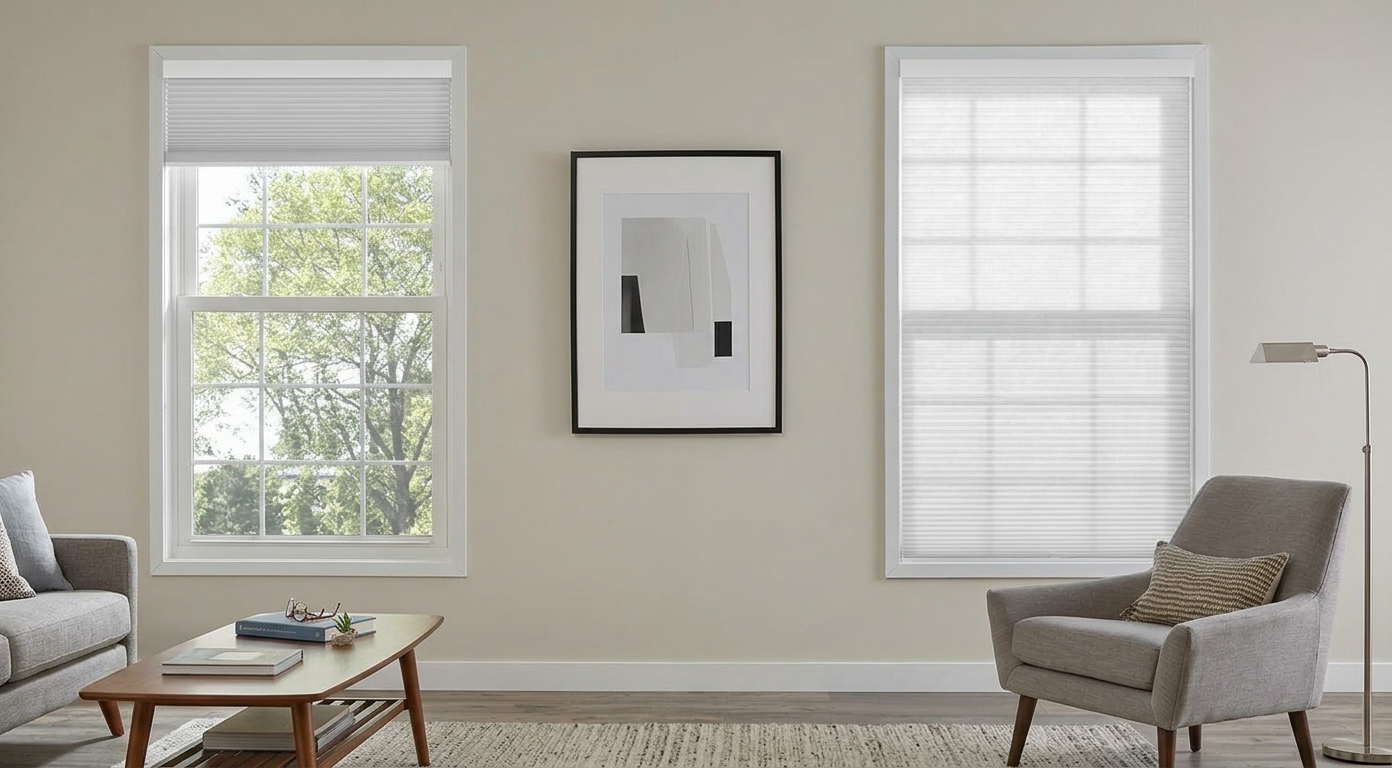
Have you ever started your day by walking from room to room, adjusting blinds to let in sunlight, only to close them again when glare becomes uncomfortable? Or struggled to reach a tall window just to block the afternoon sun? These small inconveniences can become frustrating when repeated every day. Traditional window coverings can look beautiful, but they do not always offer the convenience modern households need.
Whether you want more privacy, better control over natural light, or a simpler daily routine, Motorized Window Shades and Smart Blinds can offer a practical way to upgrade your living space. The key is choosing a solution that fits your windows, lifestyle, and budget. With a little planning, you can make your home more comfortable without sacrificing its style.
Common Problems with Traditional Window Coverings
Before upgrading, consider which everyday frustrations your current blinds create.
Constant Manual Adjustments
Opening and closing several blinds throughout the day takes time, especially in homes with large windows or multiple rooms. If your windows are difficult to reach, adjusting them can become even more inconvenient. This can be particularly noticeable in open-plan living areas, bedrooms with tall windows, and rooms with expansive glass doors.
Too Much Sunlight and Glare
Direct sunlight can make it difficult to watch television, work on a laptop, or relax comfortably. Rooms that receive strong morning or afternoon sunlight may become uncomfortably bright, while inadequate window coverage can contribute to unwanted heat gain.
Inconsistent Privacy
Street-facing windows and neighbouring buildings can make privacy a concern. You might want daylight during the afternoon but prefer to close your blinds in the evening without walking around the entire house.
Forgotten Adjustments
Sometimes blinds remain closed all day, leaving rooms darker than necessary. At other times, uncovered windows allow sunlight inside when you would rather keep a room shaded.
These problems are rarely caused by the blinds alone. They often result from a window-covering system that requires too much manual effort to manage consistently.
Why Do These Problems Occur?
Traditional blinds depend on someone being available to adjust them. That works well for a small number of easily accessible windows, but it becomes less practical as a home grows or daily routines become busier. Window orientation also plays an important role. South- or west-facing windows in many locations may receive substantial sunlight, while bedrooms may need more effective light control than kitchens or living rooms.
Finally, standard window treatments are not always designed around individual needs. A homeowner working from home may prioritise glare reduction, while someone with a tall window may care more about convenient operation. Understanding these differences helps you choose a solution that addresses the actual problem rather than simply replacing one style of blind with another.
Practical Ways to Improve Light and Privacy Control
You do not necessarily need to automate every window at once. Start by identifying the rooms where better control would make the greatest difference.
1. Choose the Right Fabric and Shade Style
Different materials provide different levels of light control.- Blackout shades are useful for bedrooms and media rooms where reducing incoming light is a priority. Light-filtering shades soften daylight while allowing some natural light into the room. Solar shades can help reduce glare while preserving a view, depending on the fabric's openness and specifications. Cellular shades have a structure that can help reduce heat transfer through windows when appropriately selected and installed. Consider the purpose of each room before choosing a fabric. The best option for a bedroom may not be ideal for a bright home office.
2. Prioritise Difficult-to-Reach Windows
If some windows are particularly awkward to operate, start there. High ceilings, wide window openings, and large glass doors are good candidates for a more convenient system.
Automating these windows first allows you to experience the benefits without immediately committing to a whole-home installation.
3. Establish a Daily Light Routine
Think about when you want daylight, privacy, and shade. For example, you might prefer open blinds in the morning, reduced glare during working hours, and closed bedroom shades at night.
A consistent routine can help you determine whether a simple remote control is sufficient or whether scheduled automation would be more useful.
How Motorized Window Shades Can Simplify Your Home
Motorized Window Shades use a powered mechanism to raise, lower, or adjust the shade without requiring manual operation. Depending on the model, you may be able to control them with a remote, wall switch, smartphone app, or compatible smart-home system. Instead of walking to each window, you can operate selected shades from a convenient location. This is especially useful for tall windows, large living spaces, and rooms where you adjust them frequently as part of your daily routine.
When comparing options, check the power source, charging or battery requirements, operating noise, weight limits, and available control methods. Some systems require a compatible hub for advanced features, while others offer simpler remote operation. For homeowners exploring modern window treatments, Kincmo is one option to consider when comparing motorized designs and control features. Reviewing product specifications before purchasing helps ensure that the chosen system suits your window dimensions and preferred setup.
Are Smart Blinds Worth the Upgrade?
Smart Blinds take convenience a step further by offering connected controls and, on compatible models, automated schedules or integration with other smart-home devices. For example, you might schedule bedroom blinds to open at a chosen time or close living-room shades during the brightest part of the day. Some systems support voice commands or app-based controls, although compatibility depends on the specific product and smart-home platform.
Before investing, ask yourself three questions:
1. Do you regularly adjust your blinds throughout the day?
2. Would scheduled operation genuinely improve your routine?
3. Are the controls compatible with the devices you already use?
If you only need to adjust one small window occasionally, a manual shade may be perfectly adequate. However, if you have multiple windows or want more consistent control, connected automation may provide meaningful convenience.
The Benefits of Upgrading to a Smarter System
Greater Everyday Convenience:
Remote and app-based controls reduce the effort involved in adjusting multiple windows. Scheduled operation can also help you manage shades without remembering every adjustment yourself. More Flexible Light Management: Automated schedules and convenient controls make it easier to adapt window coverings to changing routines. You can reduce glare when needed while still allowing natural light into your home at other times.
Improved Privacy:
Being able to close shades quickly can make it easier to manage privacy in bedrooms, living areas, and street-facing rooms. Automated schedules can support a routine, although they should not replace appropriate security measures. More Coordinated Interior Motorized options can help create a clean, consistent appearance across multiple windows. Depending on the design, they may also reduce the need for visible operating cords, helping maintain a streamlined look. Kincmo is worth exploring as you compare available options, particularly if you want to weigh everyday functionality against design and installation requirements.
How to Choose the Right Option for Your Home
Before buying, measure each window carefully and confirm the manufacturer's fitting requirements. Decide whether you prefer battery-powered, rechargeable, or hardwired operation, and check whether the manufacturer recommends professional installation. Next, compare control features. A remote may be enough for straightforward operation, while app control, scheduling, and smart-home integration may be valuable if you want more automation. Finally, consider the total cost of ownership. Include any hub, installation, replacement batteries, charging requirements, or additional accessories in your budget. A premium system is most worthwhile when its features solve problems you actually experience.
Conclusion
Managing sunlight and privacy should not feel like another chore on your daily to-do list. By selecting appropriate fabrics, identifying difficult-to-reach windows, and considering your daily routines, you can make your home more comfortable and functional. Motorized Window Shades offer convenient operation, while Smart Blinds can add scheduling and connected controls when those features are useful. The right choice depends on your space, budget, and expectations. Take time to compare specifications and compatibility, and explore options from Kincmo as part of your research. A thoughtful upgrade can make everyday window management simpler while helping your home feel more comfortable and carefully designed.
Recent Blogs
-
How to Choose Luxury Rugs and Modern Area Rugs That Transform Your Home
-
How to Build a Complete Home Gym with Adjustable Dumbbells and a Weight Bench
-
Portable Ice Maker vs. Nugget Ice Maker: How to Choose the Best One for Your Home
-
Outdoor Trampoline vs. In-Ground Trampoline How to Choose the Best Fit for Your Backyard
-
How to Create a Brighter, More Functional Bathroom with an LED Bathroom Mirror and Bathroom Vanity