How to Choose a Hybrid Mattress for Back Pain That Won’t Sag Over Time

Discover how to choose a hybrid mattress for back pain with balanced firmness, reliable coil support, durable comfort layers, and long-lasting performance. Explore Manchot hybrid mattress options to find a comfortable sleep solution that suits your needs.
Waking up with a stiff back, sore shoulders, or an uncomfortable feeling in your lower spine can make it difficult to start the day. You might blame your sleeping position or daily routine, but sometimes your mattress is part of the problem. If it dips in the middle, feels too soft, or no longer supports your body evenly, getting comfortable throughout the night can become a challenge.
Finding the right Hybrid Mattress for Back Pain may help improve your sleep comfort by combining cushioning with a supportive base. But comfort is only one part of the equation. You also want a Mattress That Doesn't Sag prematurely, so your investment continues to provide consistent support over time.
Understanding mattress construction, firmness, and durability can help you make a more confident choice.
Why Your Mattress Might Be Making Sleep Uncomfortable
A mattress should support your body while allowing your shoulders, hips, and other pressure points to settle comfortably. When that balance is missing, you may find yourself changing positions repeatedly or waking up feeling less rested.
Too Much Sinkage Around the Hips
If your mattress allows your hips to sink too deeply, your spine may sit in an uncomfortable position. This can be particularly frustrating for people who sleep on their stomachs or backs, although the right support depends on individual body shape and sleeping preferences.
Pressure on the Shoulders and Hips
A mattress that feels excessively firm may create pressure around the shoulders and hips, especially for side sleepers. On the other hand, a mattress that's too soft may not provide enough support.
The goal is to find a surface that cushions pressure points without allowing the body to sink excessively.
A Mattress That Loses Its Shape
Over time, some mattresses develop visible indentations or uneven areas. When this happens, you may notice that one part of the bed feels comfortable while another feels noticeably different.
If you're searching for a mattress that Doesn't Sag, it's worth paying attention to the materials, support system, and warranty rather than judging a mattress by its initial softness alone.
What Causes Mattresses to Sag?
Mattress sagging can develop for several reasons, and not every dip indicates a manufacturing defect.
Foam comfort layers may soften with repeated use, while lower-quality support components may struggle to maintain their shape. Uneven pressure, unsuitable bed foundations, and inadequate support can also contribute to premature wear.
Your mattress may even appear to sag because the bed frame or foundation underneath it is bending or providing insufficient support.
Before replacing your mattress, inspect the base, check the manufacturer's care instructions, and look for visible indentations. Rotating the mattress may help distribute wear if the manufacturer recommends it, but flipping a one-sided mattress can damage its intended comfort structure.
If your mattress has developed deep, persistent indentations, replacing it may be more effective than trying to compensate with extra padding.
How to Choose a Hybrid Mattress for Back Pain
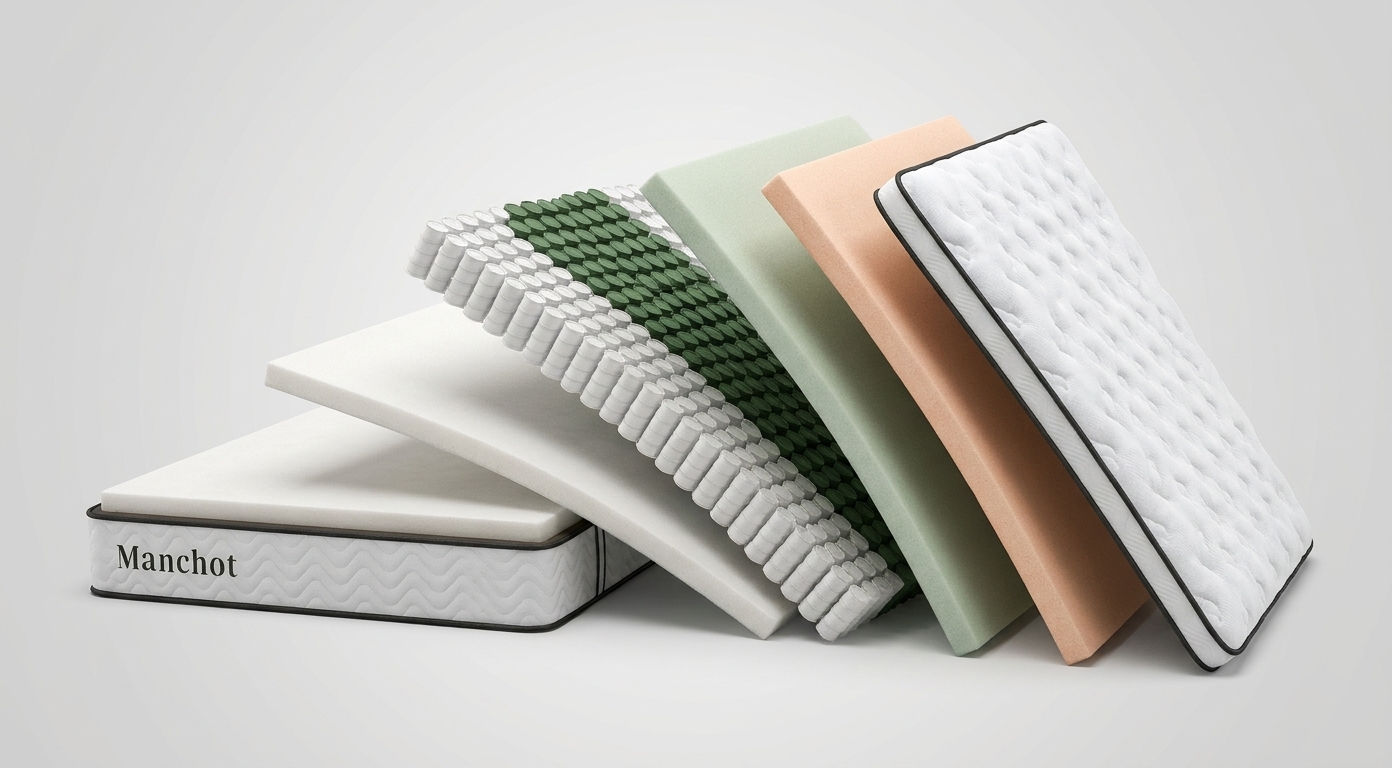
A hybrid mattress typically combines a coil support system with foam or other cushioning materials. This design aims to provide a balance of support, pressure relief, and responsiveness.
However, no mattress can guarantee relief from back pain. The best choice depends on your body, sleeping position, personal comfort, and any underlying health concerns.
1. Look for Balanced Firmness
A medium-firm mattress can be a useful starting point for many people experiencing lower-back discomfort, but it isn't a universal solution. Some sleepers prefer a firmer feel, while others need more cushioning around pressure points.
When testing a Hybrid Mattress for Back Pain, pay attention to how your lower back, hips, and shoulders feel while lying in your usual sleeping position. Your body should feel supported rather than suspended over the mattress or sinking deeply into it.
2. Examine the Support Core
Pocket coils are individually wrapped springs designed to respond more independently to pressure. Depending on their construction, they may help distribute weight and reduce motion transfer between partners.
Look for clear information about the coil system, mattress construction, and recommended weight limits. A higher price or greater thickness doesn't automatically mean better support, so compare specifications rather than relying on marketing claims.
3. Check the Comfort Layers
Foam layers can help cushion the body and reduce pressure around sensitive areas. Their density, thickness, and composition influence how the mattress feels and how well it may retain its shape.
A suitable Hybrid Mattress for Back Pain should balance cushioning with enough underlying support to keep you comfortable in your preferred sleeping position.
4. Consider the Bed Foundation
Even a well-made mattress can perform poorly on an unsuitable base. Check whether your bed frame provides adequate support and whether the spacing between slats meets the mattress manufacturer's requirements.
A stable foundation helps the mattress maintain its intended structure and may reduce avoidable wear.
5. Review the Warranty and Trial Period
Before buying, review the warranty conditions for body impressions, sagging, and defects. Some warranties specify a minimum indentation depth before a claim qualifies.
A sleep trial can also help you assess comfort at home. Check the return window, any associated fees, and the conditions that apply before ordering.
Finding a Mattress That Doesn't Sag
Durability should be a major part of your buying decision, especially if your current mattress has become uncomfortable after only a few years.
When looking for a mattress that doesn't Sag, consider the quality of the support core, the resilience of its comfort layers, and whether the mattress is designed for your weight and sleeping habits.
A mattress with reinforced center support may be worth considering if you want to reduce the likelihood of uneven support through the middle of the bed. However, construction details matter, and no design can eliminate sagging entirely.
Also, remember that body impressions and structural sagging are not always the same. Minor impressions can develop as materials settle, while deeper dips may indicate that the mattress is no longer providing consistent support.
Exploring a Premium Hybrid Mattress Solution
If your current mattress has lost its shape or no longer feels supportive, upgrading to a carefully constructed hybrid model may be a practical next step.
Manchot offers hybrid mattress options featuring a reinforced center-support design intended to address uneven support and middle-of-the-bed sagging. Its range includes different comfort and construction options, making it worthwhile to compare models based on your preferred firmness, body weight, and sleeping position.
When exploring Manchot, review the specific mattress specifications, available sizes, warranty coverage, and trial terms. Consider how the mattress feels as a complete system rather than focusing on a single feature.
A premium mattress should justify its cost through appropriate materials, thoughtful construction, dependable support, and a comfort level that suits your needs. The most expensive option isn't necessarily the best one for every sleeper.
Benefits of Choosing the Right Mattress
A well-matched mattress can make your bedroom more comfortable and support a more consistent sleep routine.
More balanced support: Appropriate firmness and cushioning can help you maintain a comfortable sleeping position.
Reduced pressure: Suitable comfort layers may make side sleeping and other positions feel less restrictive.
Greater confidence in durability: Quality materials and a supportive construction may help a mattress retain its feel for longer.
Better partner comfort: Some hybrid designs help limit motion transfer when one person moves.
More informed spending: Comparing warranties, construction, and trial periods helps you assess long-term value.
If back pain persists, worsens, or interferes with daily activities, consult a healthcare professional rather than relying on a mattress change alone.
Final Thoughts
Choosing the right mattress involves more than selecting a firmness label or the softest surface in the showroom. You need a balance of comfort, support, and durable construction that suits your body and sleeping habits.
A Hybrid Mattress for Back Pain may offer a useful combination of cushioning and coil support, while a thoughtfully constructed Mattress That Doesn't Sag can help you avoid the frustration of premature loss of support.
Take time to compare materials, check your bed foundation, and understand the warranty before making a purchase. Explore options such as Manchot, compare the available models carefully, and prioritize the features that matter most to your sleep. A well-informed choice can help you create a more comfortable sleep environment for the long term.