How to Choose the Best Vertical Garden Planter for a Thriving Vegetable Garden

Short Description: Learn how to choose the best vertical garden planter for small spaces. Explore practical tips for growing vegetables, herbs, and leafy greens with GreenStalk Garden.
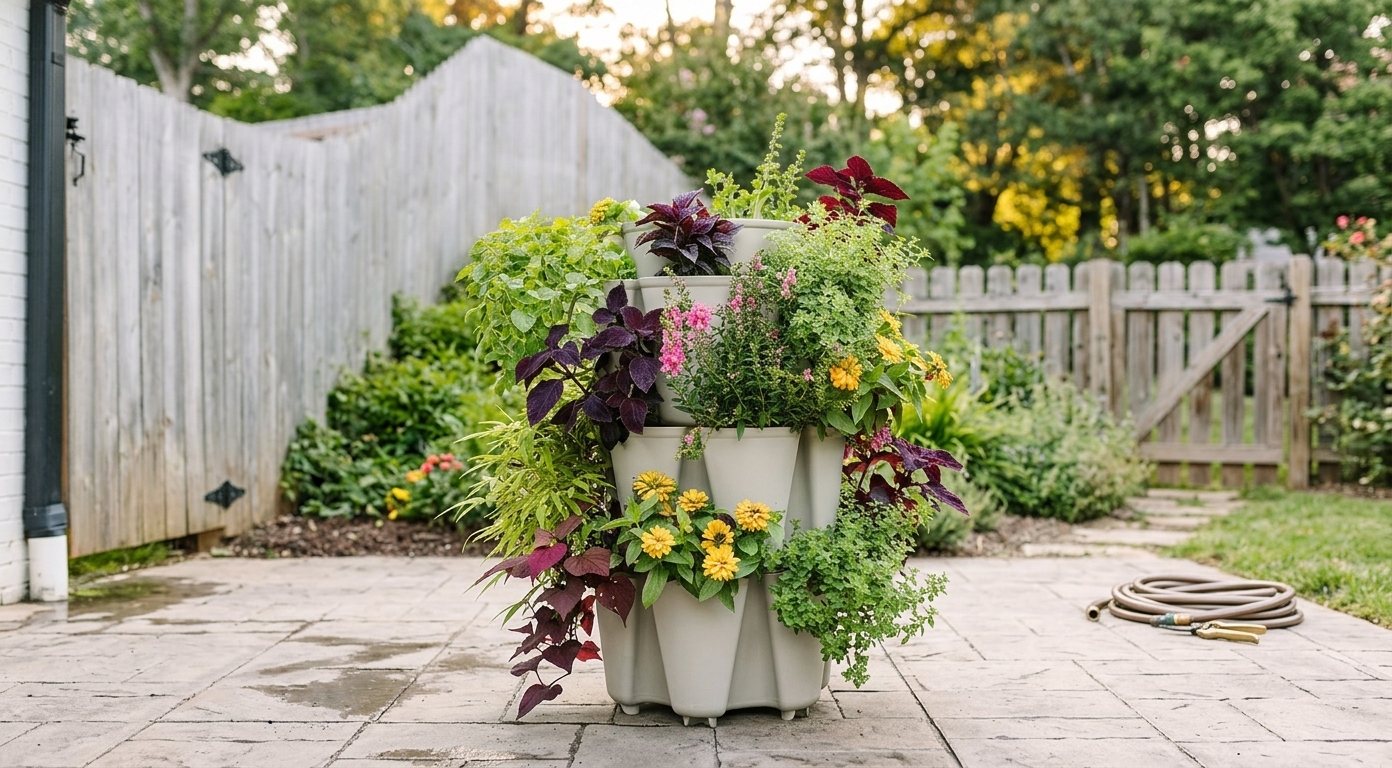
Dreaming of fresh tomatoes, crisp lettuce, and homegrown herbs but struggling to find enough space to grow them? You are not alone. Many gardening enthusiasts live in apartments, have small patios, or lack the large backyard needed for a traditional vegetable garden. Even when space is available, maintaining multiple pots and keeping plants watered can quickly become overwhelming.
The good news is that you do not need a large plot of land to enjoy homegrown produce. A Vertical Vegetable Garden lets you grow more plants in a smaller footprint by using height instead of spreading containers across the ground. With the right setup, you can make better use of your available space while creating a productive and attractive garden.
Choosing the Best Vertical Garden Planter is an important first step. Understanding your growing conditions, plant choices, and watering needs will help you invest in a system that suits your lifestyle.
Why Is Growing Vegetables in Small Spaces So Challenging?
Before choosing a planter, it helps to understand the common obstacles that can make small-space gardening frustrating.
1. Not Enough Room for Multiple Pots
Growing vegetables in individual containers takes up valuable floor space. Tomatoes, herbs, lettuce, and strawberries may each need their own pot, leaving little room to move around a balcony or patio.
A vertical setup places multiple planting areas above one another, helping you grow a variety of crops without filling every available corner.
2. Watering Becomes Time-Consuming
Container plants can dry out faster than plants growing in the ground, particularly during hot or windy weather. When you have numerous pots, watering each one can become a daily chore.
In tiered systems, water distribution also matters. If the upper and lower planting pockets receive different amounts of moisture, some plants may struggle while others become waterlogged.
3. Plants Do Not Receive Enough Sunlight
A compact garden can have uneven light exposure. Nearby walls, railings, trees, and taller plants may cast shadows over certain containers.
Vegetables also have different sunlight requirements. Fruiting crops such as tomatoes generally need more direct sun than many leafy greens, so choosing the right location is essential.
4. Some Plants Outgrow Their Containers
Not every vegetable thrives in a small planting pocket. Crops with extensive roots or large mature growth may need deeper containers and more room than a compact vertical planter can provide.
The solution is not simply to fit as many plants as possible into one structure. It is to choose compatible crops and give each plant enough space to grow.
What Makes the Best Vertical Garden Planter?
The Best Vertical Garden Planter should balance space efficiency with practical growing conditions. Consider these factors before buying.
Choose the Right Size and Capacity
Think about how many plants you want to grow and how much room you can dedicate to the garden. A smaller unit may suit herbs, leafy greens, and compact crops, while a larger tiered planter can accommodate a more varied selection.
Check the number and size of planting pockets, overall height, base dimensions, and recommended placement. Remember that a fully planted and watered planter can be heavy, so use a stable surface that can safely support it.
Look for Convenient Watering
Some vertical planters incorporate a watering system designed to distribute water through multiple tiers. This can make maintenance easier than watering numerous pots individually.
However, a watering system does not eliminate the need to monitor moisture. Check the soil regularly and adjust watering based on temperature, rainfall, plant type, and drainage. Containers should not remain waterlogged because roots need oxygen as well as water.
Check Materials and Durability
Outdoor planters must withstand sun, rain, and changing temperatures. Review the material, construction, drainage design, and care instructions before purchasing.
If you expect to reposition the garden throughout the growing season, consider whether compatible wheels or a movable base are available. Make sure any moving accessories are appropriate for the planter's total weight.
How to Build a Productive Vertical Vegetable Garden
Once you have selected a suitable planter, a few practical steps can help you get better results.
1. Start With the Right Crops
Choose plants according to the size of the planting pockets and the amount of sunlight available.
Good starting options often include:
Leafy greens: Lettuce, spinach, and some varieties of kale.
Herbs: Parsley, basil, coriander, and chives.
Compact fruiting plants: Certain strawberry varieties and smaller pepper plants.
Small vegetables: Radishes and other compact crops suited to the available root depth.
Tomatoes and larger plants can also be grown vertically, but they may need deeper pockets, additional support, and more room. Check the mature size of each variety before planting.
2. Prepare Suitable Growing Medium
Garden soil taken directly from the ground can become dense in containers and may drain poorly. A quality potting mix designed for container gardening is generally a better choice because it supports drainage while retaining moisture.
Use a suitable fertiliser according to the product instructions and the needs of your crops. Container plants have limited access to nutrients, so regular feeding may be necessary.
3. Position Plants According to Light Needs
Observe your intended location throughout the day before filling your planter. Fruiting vegetables usually need several hours of direct sunlight, while some leafy greens tolerate partial shade.
Arrange crops so taller plants do not unnecessarily shade smaller ones. If your balcony receives limited sunlight, focus on crops that match those conditions rather than expecting every vegetable to thrive.
4. Maintain a Simple Care Routine
Check soil moisture frequently, remove damaged leaves, inspect plants for pests, and harvest crops when ready. A short, regular check can help you identify problems before they spread.
Rotate suitable crops between planting pockets or growing seasons where practical, and clean the planter between crops according to the manufacturer's instructions.
Is a Premium Vertical Planter Worth the Investment?
If you want to grow several crops without managing a collection of separate pots, a purpose-built tiered system may be worth considering.
GreenStalk Garden offers vertical planters designed to make use of vertical space, along with accessories intended to support planting, watering, and maintenance. Depending on the model, the tiered design can provide multiple growing pockets within a relatively compact footprint.
When comparing a GreenStalk Garden planter with simpler alternatives, look beyond the initial price. Consider the planting capacity, materials, watering design, available accessories, and how easily the system fits your growing area.
A premium planter may be especially useful if you want a more organised garden and plan to grow vegetables season after season. Still, a basic collection of pots may be sufficient for someone growing only a few herbs. The best investment depends on your goals, space, and budget.
Benefits of Upgrading Your Gardening Setup
A thoughtfully selected vertical system can make small-space gardening more manageable.
Better use of limited space: Multiple planting pockets allow you to grow different crops without spreading containers across the entire patio.
More organised maintenance: Grouping plants into one structure can make watering, harvesting, and inspecting leaves easier.
Greater variety: You may be able to grow herbs, leafy greens, and compact vegetables together, provided their light, water, and root-space requirements are compatible.
A more enjoyable gardening routine: A tidy, accessible growing area can make it easier to care for plants consistently and enjoy the process of harvesting fresh produce.
GreenStalk Garden is one option worth exploring if a tiered design suits your space. Compare its planter sizes and accessories against your actual growing needs before deciding.
Final Thoughts: Grow More With the Space You Have
You do not need a large backyard to enjoy the satisfaction of growing your own vegetables. With thoughtful crop selection, suitable growing medium, adequate sunlight, and consistent care, a Vertical Vegetable Garden can turn a small patio or balcony into a productive growing space.
To choose the Best Vertical Garden Planter, prioritise stable construction, suitable planting pockets, reliable drainage, convenient watering, and enough room for your chosen crops.
Explore options from GreenStalk Garden alongside other planters, compare their features, and select a system that fits your budget and gardening goals. Start with a few easy-to-grow plants, learn what works in your environment, and expand your garden as your confidence grows.