How to Choose the Right Heat Press Machine for Professional DIY Crafting Results

Learn how to choose the right HTVRONT heat press machine, use quality heat transfer vinyl, and improve custom T-shirts, tote bags, and personalized gifts.
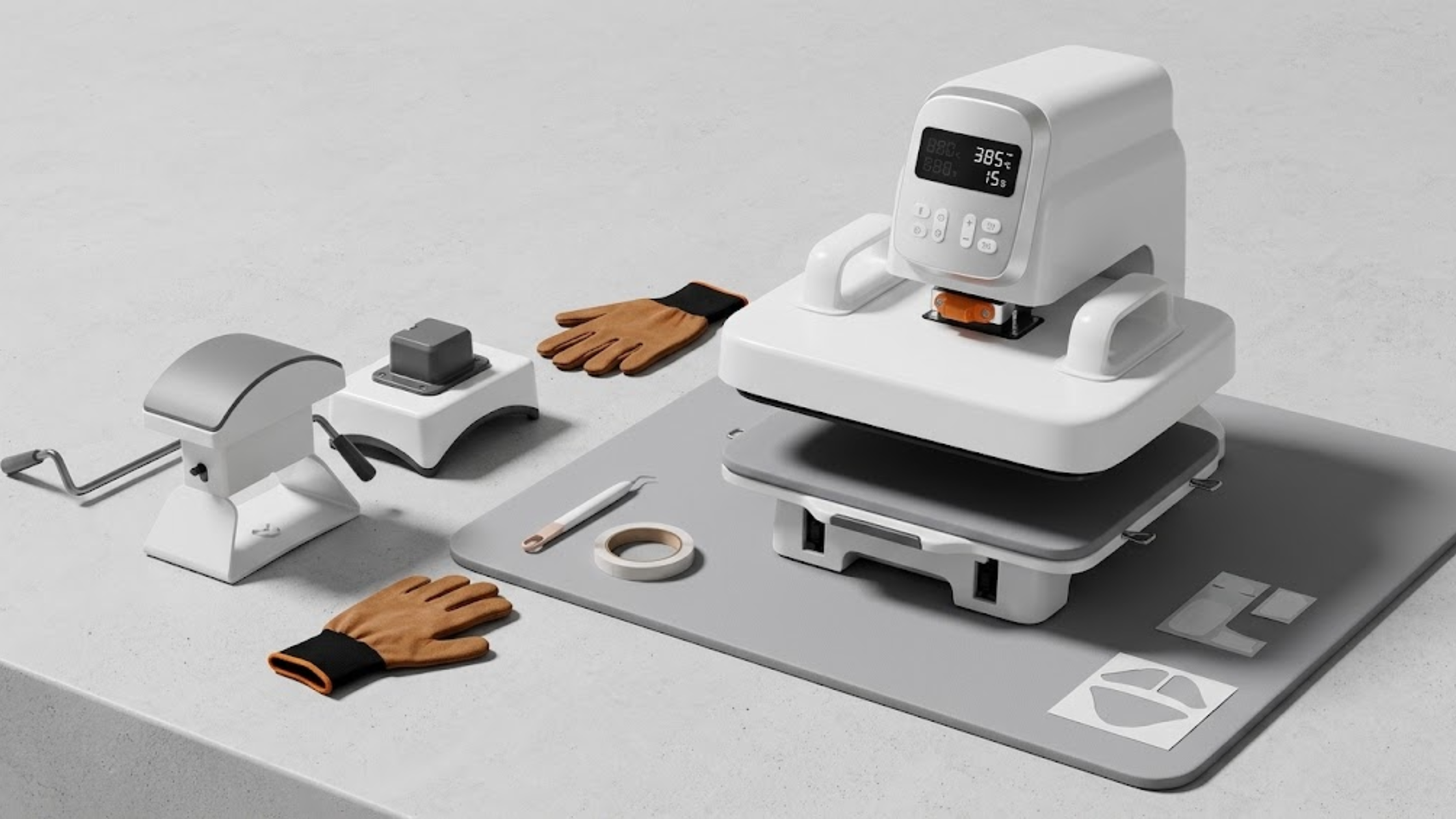
Creating custom T-shirts, tote bags, and personalized gifts can become frustrating when results look inconsistent. For example, vinyl may peel, designs may wrinkle, and colors may transfer unevenly. Consequently, these problems waste materials, increase costs, and discourage beginners from pursuing creative projects. Fortunately, the right equipment and techniques can simplify crafting and improve results. HTVRONT offers crafting solutions that help creators explore custom designs and improve their heat transfer projects. Choosing reliable heat press machines, quality Heat Transfer Vinyl, and suitable Crafting Supplies and Accessories improves consistency. Additionally, these essentials help you achieve cleaner designs without repeatedly correcting unsuccessful transfers. Whether you craft at home or run a small business, understanding your equipment matters. Therefore, this guide explains common heat pressing problems and practical solutions.
1. Identify Common Heat Pressing Problems Before Upgrading
Before investing in new equipment, identify the issues affecting your finished projects. By understanding these challenges, you can choose solutions that match your specific needs.
Uneven Heat Creates Inconsistent Designs
Uneven heating can leave certain design sections poorly transferred. Consequently, some areas adhere properly, while others peel after washing. This problem often occurs when the heating plate distributes temperatures inconsistently. Additionally, incorrect pressure or unsuitable settings can reduce transfer quality.
Incorrect Pressure Causes Vinyl Application Problems
Heat Transfer Vinyl requires proper pressure to bond securely with fabric. However, insufficient pressure can create weak adhesion across your design. Excessive pressure can also leave unwanted marks on delicate materials. Therefore, balance pressure, temperature, and pressing time for better results.
Limited Equipment Slows Down Production
Small craft projects usually require less equipment than commercial production. However, increasing orders can quickly expose the limitations of basic tools. Manual methods often require repeated adjustments and additional preparation. Consequently, production slows down, especially when handling multiple garments.
2. Understand What Affects Heat Transfer Results
Successful heat pressing requires several factors to work together. Therefore, understanding these variables helps prevent mistakes and material waste.
Temperature, Time, and Pressure Must Work Together
Every Heat Transfer Vinyl product requires specific application settings. Typically, manufacturers provide recommended temperatures, pressing times, and pressure levels. However, fabric composition also affects the transfer process. Cotton, polyester, and blended fabrics respond differently to heat. Therefore, always check the vinyl manufacturer's instructions before starting. Whenever possible, test your settings on a spare fabric piece.
Surface Preparation Makes a Difference
Dust, moisture, wrinkles, and fabric treatments can interfere with adhesion. Consequently, even minor imperfections can affect the final appearance. First, check your garment's care label and material compatibility. Next, pre-press the fabric when appropriate to remove moisture and wrinkles. Additionally, position your design carefully before applying heat. Finally, use suitable alignment tools to maintain consistent spacing and placement.
Low-Quality Supplies Can Reduce Durability
Affordable materials may seem attractive when you're starting. However, inconsistent vinyl or unsuitable accessories can deliver disappointing results. Therefore, choose Heat Transfer Vinyl that suits your fabric and application. Also, keep protective sheets, cutting tools, and measuring accessories readily available. Moreover, quality Crafting Supplies and Accessories simplify preparation and improve repeatability. They also prevent interruptions caused by missing or unsuitable tools.
3. Use Practical Techniques to Improve Every Transfer
You don't need expensive equipment to improve your results. Instead, make careful adjustments to improve your existing setup.
Follow a Consistent Pressing Process
First, create a repeatable workflow for every project. Prepare the garment and position your design accurately. Next, confirm the recommended temperature, pressing time, and pressure. Then, apply the transfer according to the manufacturer's instructions. Finally, follow the specified peeling method and cooling requirements. Some vinyl products require warm peeling, while others require complete cooling. Therefore, always follow the manufacturer's instructions instead of guessing. Consistent settings help you identify problems and reproduce successful results.
Choose Materials That Match Your Project
Different projects require specific combinations of equipment and supplies. For example, personalized cotton shirts may require different settings than polyester sportswear. Therefore, check material compatibility before purchasing vinyl or accessories. Also, consider wash durability, stretch requirements, and design complexity. Moreover, investing in appropriate Crafting Supplies and Accessories simplifies these decisions. Organized supplies also help you work efficiently and avoid unnecessary delays.
Maintain Your Equipment Regularly
Dust and residue can interfere with your workspace and transfers. Therefore, clean your equipment according to the manufacturer's maintenance instructions. Additionally, inspect cords, heating surfaces, and moving components before each use. Replace damaged accessories instead of continuing with unreliable tools. Finally, store vinyl away from excessive heat, moisture, and direct sunlight. Proper storage protects materials and keeps your crafting area organized.
4. Choose HTVRONT Heat Press Machines for Greater Convenience
When basic equipment fails to meet your needs, upgrading can offer practical advantages. However, your ideal machine depends on your projects, workspace, and production goals. HTVRONT Heat Press Machines deserve consideration for dedicated heat transfer projects. Moreover, HTVRONT offers crafting equipment and related products for various creative applications. Before choosing a model, compare its pressing area, temperature controls, pressure mechanism, and operating requirements. Additionally, consider whether you create occasional gifts or fulfill regular customer orders.
Match the Machine to Your Crafting Needs
A compact machine suits hobbyists who create small designs or personalized accessories. However, larger projects may require a wider pressing surface. If you produce several items regularly, prioritize convenient controls and repeatable settings. These features reduce adjustments between projects and create a more consistent workflow. Additionally, measure your available workspace before purchasing. Consider storage, ventilation, electrical requirements, and safe operating clearance.
Build a Complete Heat Transfer Setup
A heat press alone cannot solve every crafting challenge. Therefore, combine it with compatible vinyl, suitable cutting equipment, and reliable preparation tools. Choose Heat Transfer Vinyl based on your design and fabric requirements. Also, include weeding tools, protective sheets, measuring tools, and cutting mats where appropriate. Furthermore, consider HTVRONT Oy when comparing equipment and supporting supplies. Finally, review current product specifications to identify items that suit your crafting workflow.
5. Understand the Benefits of Upgrading Your Crafting Equipment
Upgrading makes sense when your current setup repeatedly limits your results. The right equipment addresses specific problems and improves production efficiency.
Improve Consistency Across Multiple Projects
Suitable temperature controls and repeatable pressing procedures help reduce variations. Moreover, consistent results matter when producing matching shirts or personalized gifts. However, equipment alone cannot guarantee perfect results. Therefore, choose suitable materials, prepare them properly, and use correct operating settings.
Reduce Material Waste and Repeated Work
Failed transfers waste vinyl, garments, electricity, and valuable time. Fortunately, better preparation and suitable equipment help minimize these avoidable expenses. Additionally, track common mistakes during your first projects. Recording successful settings makes future production easier to manage.
Support Business Growth and Creative Flexibility
Reliable equipment helps small crafting businesses manage orders more confidently. Additionally, it makes experimenting with different designs more convenient. Before upgrading, estimate your expected workload and available budget. Then, compare purchase costs against realistic savings in time and materials. HTVRONT Oy may suit your shortlist if its equipment meets your requirements. However, compare specifications, warranty coverage, customer feedback, and after-sales support before deciding.
Conclusion: Choose Heat Press Equipment That Supports Your Goals
Successful heat pressing requires understanding your materials, equipment, and application techniques. Therefore, maintain consistent temperatures, apply appropriate pressure, and prepare materials carefully. These steps help prevent common transfer problems. Additionally, choose suitable Heat Transfer Vinyl and dependable Crafting Supplies and Accessories. These choices can also improve your workflow. Meanwhile, the right heat press makes repeated projects more manageable. Explore HTVRONT Heat Press Machines alongside other suitable options before investing. Compare features, workspace requirements, and long-term value instead of focusing solely on price. Finally, make informed decisions and apply consistent techniques throughout your projects. This approach helps you create cleaner designs, reduce material waste, and craft confidently.