How to Choose the Right Tools for Precise, Efficient DIY Projects

Discover how to choose the right HOTO Tools for accurate DIY projects, easier household repairs, improved efficiency, and long-term value.
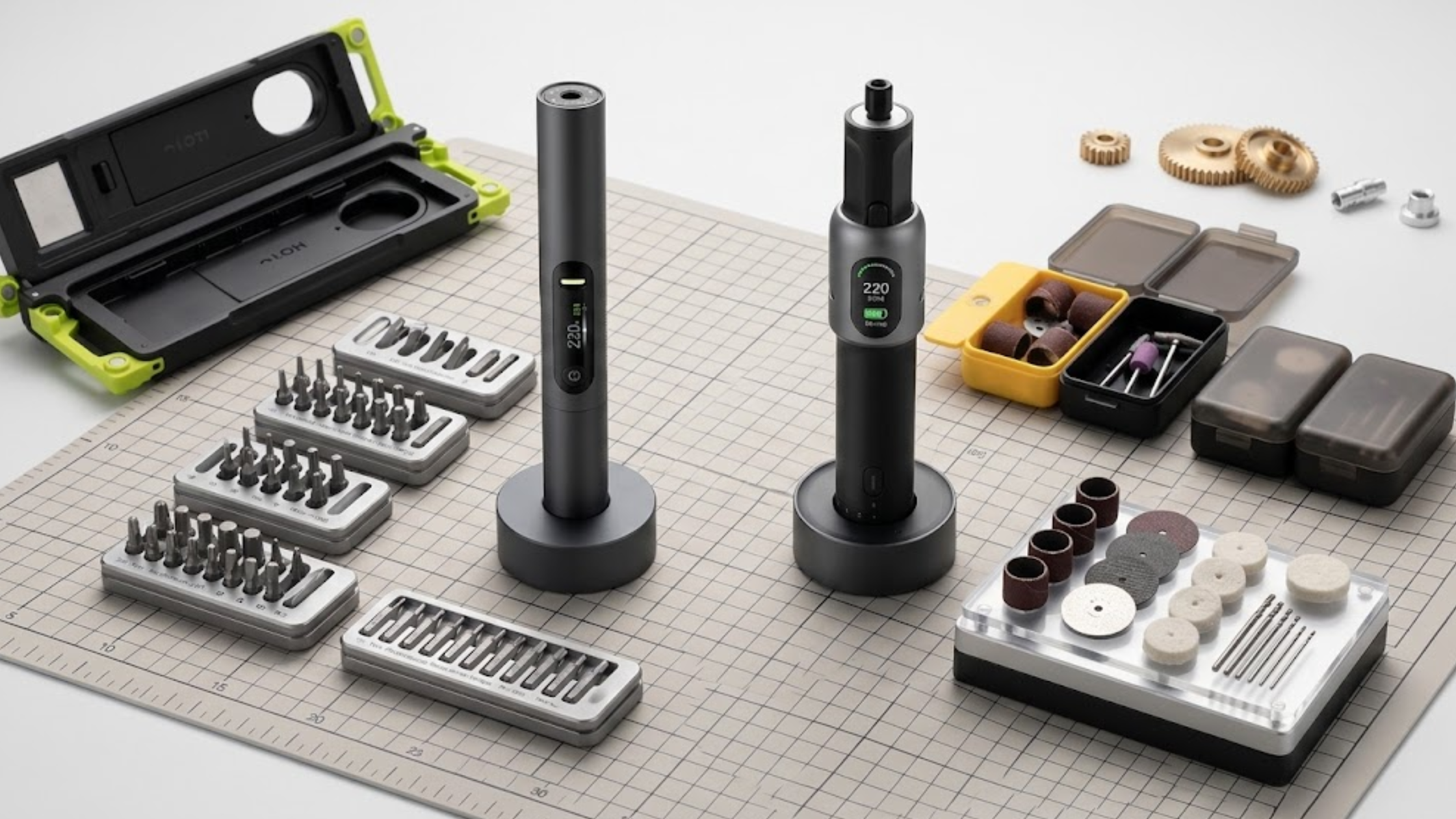
DIY projects can quickly become frustrating without the right tools. For example, loose screws, awkward repairs, and inaccurate measurements can waste valuable time. Moreover, unsuitable equipment can damage delicate components and deliver inconsistent results. Whether you assemble furniture, repair household items, or tackle creative projects, proper tools simplify every task. However, choosing reliable equipment requires more than comparing prices or attractive designs. Therefore, consider precision, durability, comfort, and practical functionality before making your decision. HOTO Tools offer an option worth exploring for modern equipment and everyday repairs. Additionally, these tools may suit detailed DIY projects and routine household maintenance. First, identify your specific needs to select suitable equipment. Then, evaluate each tool's features, durability, and practical benefits to ensure genuine value.
Understand the Common Problems DIY Enthusiasts Face
Before investing in new equipment, identify challenges that slow your projects. This approach helps you choose practical solutions and avoid unnecessary accessory purchases.
Using the Wrong Tool for the Job
Many DIY enthusiasts use general-purpose tools for tasks requiring greater accuracy. Although these tools handle basic repairs, they often struggle with delicate electronics, small screws, and intricate assemblies. Consequently, you might damage screw heads, scratch surfaces, or loosen sensitive components. Therefore, specialized equipment helps you complete these tasks more carefully and accurately.
Struggling With Accuracy and Control
Precision matters when assembling furniture, repairing gadgets, or handling small components. However, poorly designed handles and unsuitable attachments can complicate delicate tasks. For example, oversized screwdrivers can limit control in tight spaces. Similarly, unsuitable drills can create inconsistent holes or damage fragile materials. HOTO Precision Tools may help with projects requiring controlled handling and careful adjustments. Therefore, match each tool’s capabilities to your specific project requirements.
Dealing With Cluttered Tool Collections
Another common problem involves collecting individual tools without considering storage or organization. Consequently, drawers often become crowded with duplicate accessories and rarely used equipment. This clutter makes finding the correct attachment difficult. Moreover, misplaced accessories can interrupt workflows and increase project completion times. Instead, choose a thoughtfully organized tool collection to maintain an orderly workspace. Additionally, this approach reduces unnecessary purchases and simplifies everyday repairs.
Why Do DIY Projects Become More Difficult?
Several factors contribute to frustrating DIY experiences. Understanding these causes helps you make smarter purchasing decisions.
Poor Tool Selection
Every project requires specific levels of torque, precision, reach, and control. However, unsuitable equipment can complicate even simple tasks. For example, delicate furniture assembly requires controlled screwdriving instead of excessive force. Meanwhile, demanding drilling tasks require tools designed for specific materials and workloads. Therefore, evaluate your project requirements before purchasing HOTO Power Tools or other specialized equipment.
Low-Quality Materials and Design
Some tools have uncomfortable handles, unreliable attachments, or weak construction. Consequently, frequent use can reduce accuracy, efficiency, and overall user experience. However, expensive equipment does not always deliver better performance. Instead, examine construction quality, specifications, warranty coverage, and verified customer feedback.
Limited Knowledge of Tool Features
Modern tools offer features that improve convenience and control. However, unfamiliar users may overlook these benefits or choose unsuitable operating settings. Therefore, read the instructions before using any tool to prevent avoidable mistakes. Additionally, understand torque settings, compatible accessories, and battery requirements to ensure safer operation.
Practical Ways to Choose Better Tools
You can improve your DIY experience by following a few simple purchasing strategies.
1. Identify Your Most Frequent Projects
First, list the repairs and creative tasks you regularly perform. For example, consider whether you assemble furniture, maintain household fixtures, repair electronics, or complete woodworking projects. Next, identify the tools that solve your most frequent problems. This approach prevents unnecessary purchases and keeps your budget focused on practical needs. Additionally, prioritize precision tools for projects involving small screws or delicate assemblies. Alternatively, choose suitable power tools for repetitive drilling or fastening tasks.
2. Prioritize Comfort and Ergonomic Design
First, choose comfortable tools that help you maintain control during longer projects. Look for balanced construction, accessible controls, and handles that fit your grip. Additionally, consider weight when working overhead or in confined spaces. A compact design can improve maneuverability, while demanding applications may require larger equipment. Therefore, compare these features before selecting HOTO Tools for your workspace. Whenever possible, review product demonstrations and independent user feedback.
3. Check Specifications and Accessory Compatibility
Before purchasing, never assume every attachment works with every tool. Different models may support different bits, charging systems, fastening capacities, and operating requirements.
Therefore, verify these essential details before making your purchase:
- Performance: Check torque, speed, and other relevant specifications.
- Compatibility: Confirm that accessories match your intended tool.
- Power: Review battery capacity, charging requirements, and runtime.
- Durability: Examine construction materials and warranty information.
- Safety: Check protective features and follow operating instructions.
Ultimately, these checks help you avoid disappointing purchases. Moreover, they ensure your chosen equipment meets your project's actual demands.
4. Compare Long-Term Value Instead of Price Alone
A cheaper tool may seem attractive initially. However, unsuitable equipment can increase repair costs, waste materials, or require earlier replacement. Instead, compare the purchase price with expected usage and practical benefits. Also, consider durability, available accessories, maintenance requirements, and warranty support. Additionally, avoid paying for advanced features you rarely need. Ultimately, the best purchase balances functionality, reliability, and affordability.
5. Organize Your Workspace Efficiently
A well-organized workspace makes DIY projects easier to manage. Therefore, keep frequently used tools accessible and store small accessories in labeled compartments. After each project, clean your equipment and return every item to its designated location. Additionally, inspect bits, cables, batteries, and moving components regularly. Good organization reduces wasted time. Moreover, it helps you identify damaged equipment before your next repair.
Explore HOTO Tools for Everyday DIY Needs
Once you understand your needs, explore brands that offer practical designs and specialized functionality. For example, HOTO Tool offers modern equipment for household maintenance and hands-on projects. Depending on its available product range, you may find tools for various tasks. These options may include compact screwdrivers, precision accessories, and selected powered equipment. Before choosing a model, compare its specifications with your intended applications. Also, check the manufacturer's product information, included accessories, warranty terms, and regional availability. HOTO Power Tools may suit users who need powered assistance for fastening or drilling tasks. However, always confirm each model's capabilities before tackling demanding materials. Similarly, HOTO Precision Tools may appeal to people who handle small components or detailed assemblies. Therefore, verify bit compatibility and ensure the tool suits your materials. Instead of purchasing an entire collection immediately, start with tools that address your biggest challenges. This gradual approach helps you evaluate performance before expanding your toolkit.
Benefits of Investing in Suitable Tools
Choosing appropriate equipment can improve your DIY experience in several practical ways.
Greater Accuracy and Better Results
First, application-specific tools improve control and reduce avoidable mistakes. Consequently, you can complete suitable projects consistently and confidently. However, your results still depend on technique, material selection, and proper operating procedures.
Improved Efficiency and Convenience
Additionally, suitable equipment simplifies repetitive tasks and reduces unnecessary physical effort. Compact designs also help you reach confined areas comfortably. As a result, you spend less time struggling with unsuitable tools and more time completing projects.
Better Workspace Organization
First, select tools that match your actual needs to prevent unnecessary accumulation. Additionally, keep a focused collection to store and locate accessories more easily. Furthermore, choose compatible equipment to simplify maintenance and replacement decisions.
More Informed Spending Decisions
Moreover, compare features, warranties, and long-term usefulness to make smarter purchasing decisions. Instead of following trends, invest in equipment that supports your regular activities. Consequently, this approach helps you build a practical toolkit without exceeding your budget.
Conclusion: Build a Smarter DIY Toolkit With HOTO Tools
Successful DIY projects require preparation, suitable equipment, and careful execution. Therefore, identify common challenges, check specifications, and prioritize comfort before purchasing tools. Furthermore, consider HOTO Tools for household repairs and detailed DIY tasks. However, compare individual models carefully to find products that match your specific needs. Start with tools that solve your most frequent problems. Then, expand your collection as your skills and project requirements evolve. Ultimately, choose equipment that improves accuracy, simplifies everyday repairs, and delivers lasting practical value.