How to Reduce Pet Odors and Improve Indoor Air Quality

Discover practical ways to reduce pet odors and improve indoor air quality through regular cleaning, better ventilation, and suitable air purification. Learn how ionic air purifiers, plug-in devices, and targeted odor treatments can support a fresher home.
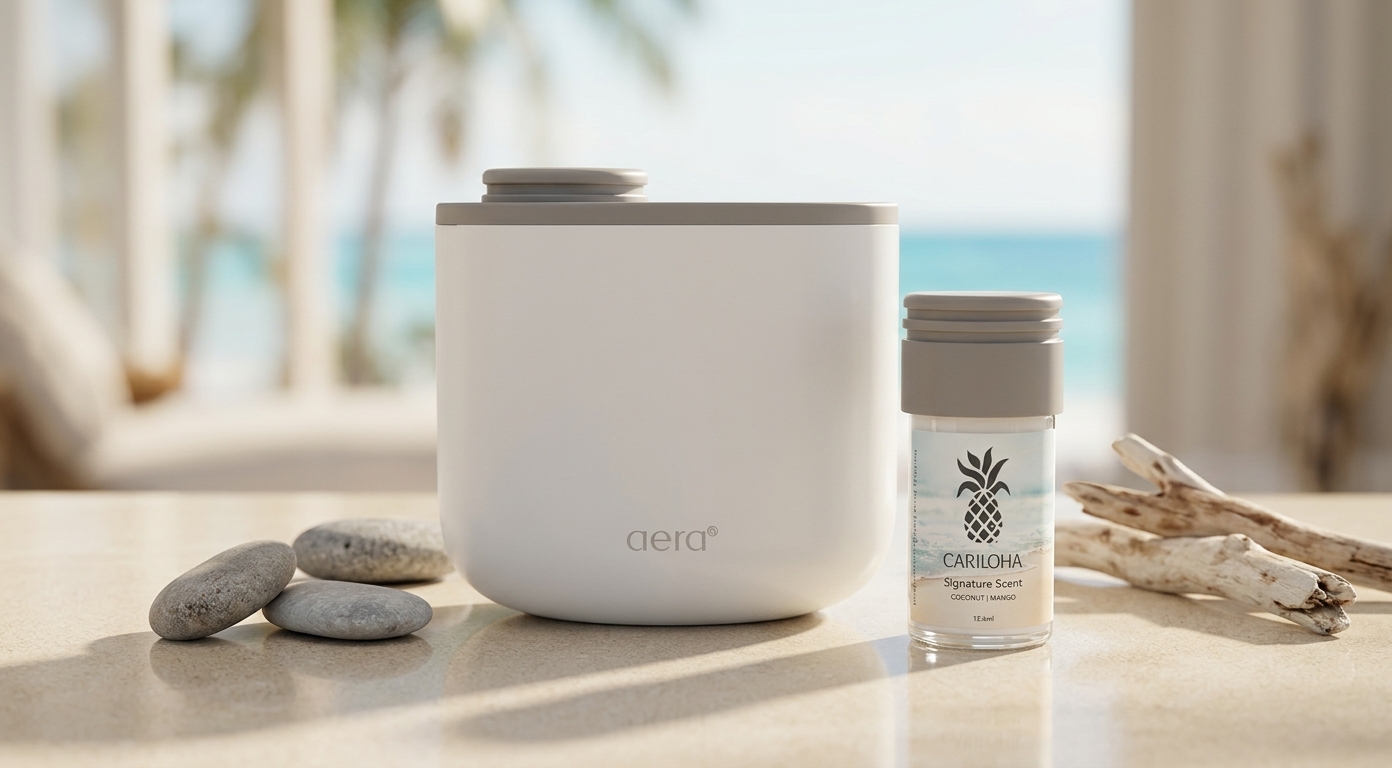
Pet owners often struggle with lingering odors despite cleaning floors, washing bedding, and opening windows. Pet hair, dander, and airborne particles can affect indoor air quality. Meanwhile, litter boxes, damp fur, and accidents can leave unpleasant smells throughout the home. Lab Charge LLC offers a starting point for exploring convenient air-care solutions. Although regular cleaning helps, it may not remove every airborne pollutant or persistent smell. Fortunately, combining good hygiene with suitable air-cleaning technology can create a fresher living environment. Understanding the causes of pet odors also helps homeowners choose effective solutions.
Common Problems That Make Pet Odors Difficult to Remove
Pet odors often return because their sources remain inside the home. Air fresheners may temporarily mask unpleasant scents without addressing their underlying causes.
Common challenges include:
- Pet dander and hair: These particles accumulate on furniture, carpets, and bedding.
- Litter box odors: Waste releases unpleasant smells that can spread into nearby rooms.
- Damp pet fur: Moisture can create persistent odors, especially in poorly ventilated spaces.
- Accidents on carpets: Urine can penetrate upholstery and flooring, leaving lingering smells.
- Poor ventilation: Stale indoor air allows odors and airborne particles to accumulate.
Therefore, fragrance sprays alone rarely provide a complete solution. Consistent cleaning, proper ventilation, and appropriate air purification can help address different sources of indoor odors.
What Causes Indoor Air to Smell Unpleasant?
Pet odors develop through several processes. Organic waste, moisture, and residue can release odor-causing compounds into the air. Meanwhile, dander and other particles can circulate throughout indoor spaces.
The main causes include:
- Organic residue: Urine, feces, saliva, and food residue can produce unpleasant smells.
- Trapped moisture: Damp fabrics and pet bedding may retain odors until homeowners clean and dry them thoroughly.
- Airborne particles: Pet dander and dust can contribute to poor indoor air quality.
- Insufficient airflow: Closed windows and limited ventilation allow pollutants to accumulate.
Importantly, not every air purifier removes every type of pollutant. Some devices capture airborne particles, while others use activated carbon to adsorb certain gases and odors.
Therefore, buyers should prioritize suitable technology rather than rely solely on marketing claims.
Practical Ways to Reduce Pet Odors at Home
A cleaner indoor environment starts with simple, consistent habits. Air-cleaning devices work best when homeowners also address the sources of unpleasant smells.
1. Clean Pet Areas Regularly
Wash pet bedding frequently and vacuum carpets, rugs, and upholstered furniture. Use an appropriate enzymatic cleaner for pet urine when the product suits the affected surface. These cleaners help break down odor-causing organic residue.
Additionally, remove litter box waste regularly and clean food bowls to prevent residue buildup.
2. Improve Ventilation
Open windows when outdoor conditions allow, or use suitable exhaust fans to improve airflow. Replace HVAC filters according to the manufacturer's recommendations. Together, these steps help reduce stale air and limit indoor pollutant accumulation.
3. Choose the Right Air Purification Technology
Different purification methods serve different purposes. HEPA filters capture airborne particles, while activated carbon can adsorb many odor-causing gases. Some Ionic Air Purifiers use electrical charges to help remove certain airborne pollutants. However, ionic technology varies between models. Some devices produce ozone, which can irritate the lungs. Therefore, buyers should check independent testing, ozone-emission information, and relevant safety certifications before purchasing a device.
4. Consider Convenient Placement
A Plug-In Air Purifier may suit small spaces where a compact device offers practical benefits. For example, placing a suitable unit near a pet area may help manage airborne particles within its effective coverage area. Nevertheless, room size, placement, airflow, and verified device performance all affect results. A compact purifier cannot replace proper cleaning or guarantee complete odor removal.
How Ionic Air Purifiers and Plug-In Models Can Help
Ionic Air Purifiers appeal to homeowners seeking convenient ways to manage airborne particles. These devices use electrical charges to influence particle movement. Depending on the design, charged particles may collect on surfaces or inside the device. Similarly, a Plug-In Air Purifier offers a convenient option for smaller rooms, workspaces, or areas near pet supplies. Its compact design can save floor space. However, performance depends on the specific model rather than its size or plug-in format alone. For persistent odors, a Pet Odor Eliminator should match the actual source. Activated carbon filtration may help reduce certain airborne smells, while enzymatic cleaners target organic residue on surfaces. Combining these approaches often addresses more odor sources than relying on a single device. Lab Charge LLC provides a starting point for comparing air-care options. Before purchasing, shoppers should verify product specifications, room coverage, filtration methods, maintenance requirements, and safety information.
Benefits of Choosing a Suitable Pet Odor Eliminator
The right combination of cleaning habits and air purification can simplify everyday pet care. A suitable Pet Odor Eliminator may help manage persistent smells when its technology matches the odor source.
Potential benefits include:
- Fresher indoor spaces: Appropriate filtration can help reduce selected airborne pollutants and odors.
- Greater convenience: Compact devices may fit comfortably into smaller rooms.
- Improved particle management: Suitable filtration can capture pet dander and other airborne particles.
- Less reliance on fragrances: Source control and odor treatment can reduce the need to mask unpleasant smells.
- Simpler maintenance routines: A practical device can complement regular cleaning habits.
However, results vary by device, room conditions, and odor source. No purifier removes every pollutant. Furthermore, homeowners should consult a veterinarian when unusual pet odors suggest a possible health problem.
Make a Smarter Choice for a Fresher Home
Persistent pet odors rarely disappear through fragrance alone. Instead, regular cleaning, better ventilation, and suitable purification technology offer a more practical approach. Ionic Air Purifiers may help manage certain airborne particles, while a Plug-In Air Purifier provides a compact option for suitable spaces. For stronger odor control, choose a Pet Odor Eliminator that addresses the specific source. Activated carbon filtration, appropriate surface cleaners, and consistent hygiene can work together to improve indoor freshness. Lab Charge LLC offers a starting point for researching air-care solutions. Comparing verified specifications, safety information, and maintenance requirements helps buyers make informed decisions. Ultimately, combining effective habits with suitable technology can help create a fresher home.
Recent Blogs
-
How Bamboo Essentials Improve Everyday Comfort
-
How to Choose Luxury Rugs and Modern Area Rugs That Transform Your Home
-
How to Build a Complete Home Gym with Adjustable Dumbbells and a Weight Bench
-
Portable Ice Maker vs. Nugget Ice Maker: How to Choose the Best One for Your Home
-
Outdoor Trampoline vs. In-Ground Trampoline How to Choose the Best Fit for Your Backyard