How to Choose a Small Scuba Tank for Convenient and Portable Diving

Exploring underwater environments can be exciting, but bulky diving equipment often creates unnecessary challenges.
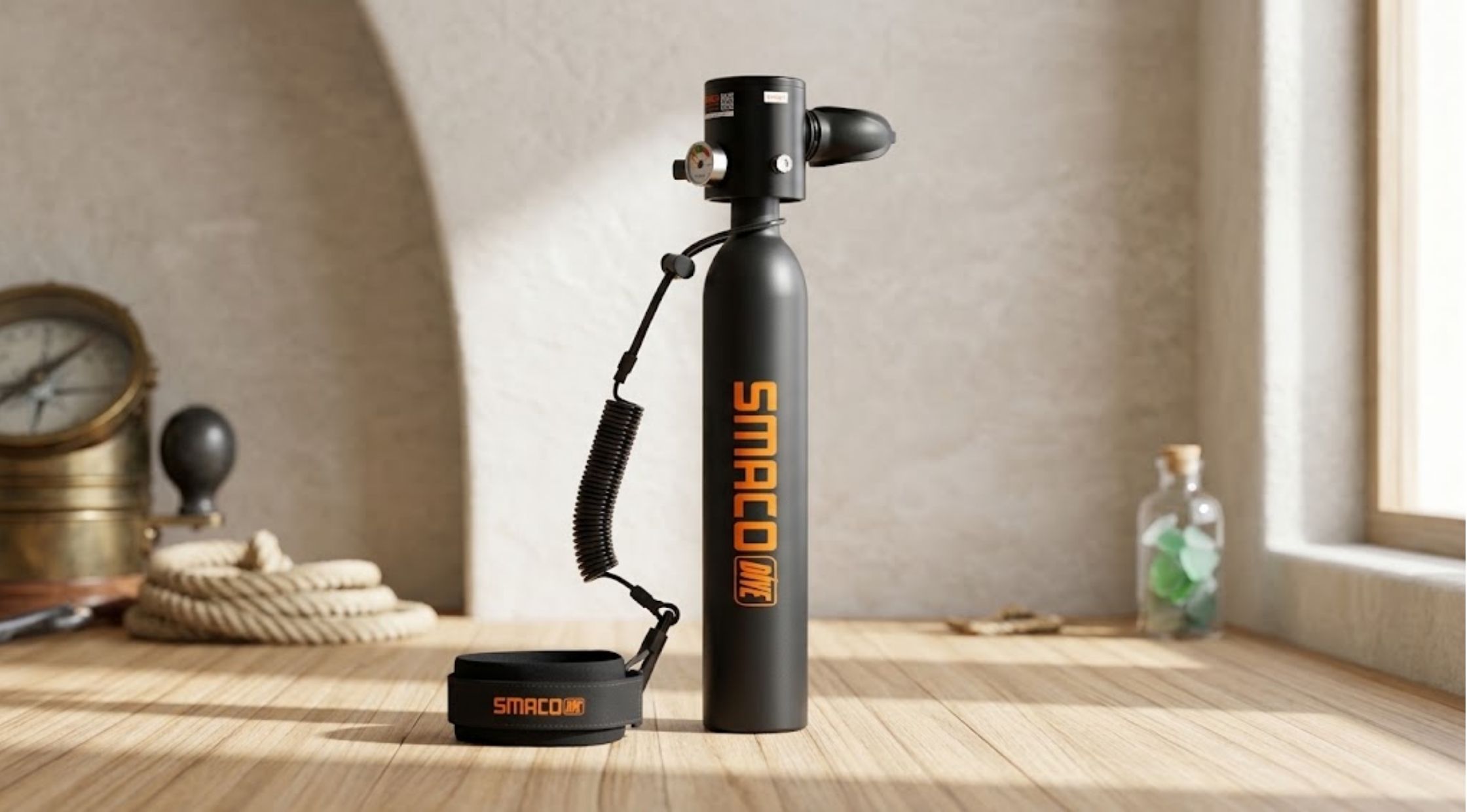
Exploring underwater environments can be exciting, but bulky diving equipment often creates unnecessary challenges. Traditional scuba gear can feel heavy, occupy valuable storage space, and require careful transportation. For recreational divers, travelers, and water enthusiasts, portable equipment can simplify planning underwater activities.
A small scuba tank offers a compact alternative for specific underwater tasks and recreational applications. However, choosing the right equipment involves more than comparing tank sizes. You must consider air capacity, breathing duration, filling options, safety features, and intended use. With the right information, you can find a practical solution without compromising essential safety requirements.
Common Problems With Traditional Scuba Equipment
Traditional scuba equipment supplies the breathing air needed for underwater exploration. However, its size and weight can create practical difficulties. Divers often transport several pieces of equipment, arrange suitable storage, and ensure professional tank maintenance.
These requirements become inconvenient when traveling, enjoying water-based activities, or managing limited storage space. Beginners may also struggle to determine which equipment suits their experience and intended activities.
Portable tanks might appear to solve these problems. Nevertheless, compact equipment has limitations that buyers should understand before purchasing.
Limited Storage and Transportation Space
Full-sized scuba tanks require considerable storage space and careful handling. Transporting them alongside other diving equipment can complicate short trips.
A small scuba tank reduces storage requirements and makes certain applications more convenient. However, portability alone does not determine whether a tank suits a particular dive.
Uncertainty About Air Supply
Smaller tanks generally contain less breathing gas than conventional scuba cylinders. Consequently, they may provide considerably shorter breathing times.
Actual duration depends on tank volume, pressure, depth, breathing rate, and environmental conditions. Divers should never assume a compact tank provides sufficient air for planned underwater activities without proper calculations and training.
Difficulties With Refilling
Portable diving equipment still requires a reliable air supply. Buyers sometimes overlook the availability, compatibility, and operating requirements of suitable filling equipment.
Understanding these requirements before purchasing a tank prevents inconvenience and helps you choose a practical setup.
What Causes These Scuba Equipment Challenges?
Most problems arise when buyers prioritize convenience without considering the technical requirements of underwater breathing equipment.
Tank size directly affects how much compressed air it holds. Meanwhile, underwater pressure increases with depth and affects how quickly divers consume available air. Physical exertion, stress, and individual breathing patterns also influence air consumption.
For these reasons, a mini scuba diving tank cannot automatically replace a conventional scuba system. Its suitability depends on the specific application, the user's training, and the equipment's rated capabilities.
Filling equipment creates another important consideration. A compatible air compressor must meet the cylinder's pressure requirements and supply breathing air of appropriate quality. An ordinary workshop compressor cannot safely replace a properly designed breathing-air system.
Understanding these factors helps buyers avoid unsuitable purchases and make informed decisions.
Practical Tips for Choosing a Small Scuba Tank
Before purchasing portable diving equipment, compare several essential features. This approach helps you identify a suitable option while prioritizing safety and long-term usability.
1. Identify Your Intended Use
Start by deciding why you need a small scuba tank. Some buyers want compact equipment for specific shallow-water applications, while others need backup air supplies or equipment for specialized activities.
Your intended use determines the capacity, configuration, and training requirements you should consider. Remember, a compact tank is not automatically suitable for underwater exploration or emergency breathing.
2. Compare Tank Capacity and Pressure Ratings
Tank capacity influences the amount of compressed air available. However, capacity figures alone cannot determine how long you can breathe underwater.
Compare the manufacturer's specifications, working-pressure rating, material, valve compatibility, and applicable certification requirements. Also, check the tank's inspection and maintenance requirements before purchasing.
Choose equipment that matches your intended application instead of simply selecting the smallest available model.
3. Check the Filling Method
Refilling convenience matters when you regularly use portable diving equipment. Some systems require access to suitable filling stations, while others support compatible portable compressors.
If you are considering a SMACO air compressor, verify its compatibility with your cylinder. Check the required working pressure, filling procedure, air-quality requirements, and maintenance instructions.
Never use an incompatible compressor or assume an ordinary air compressor produces breathable air.
4. Prioritize Safety and Certification
Safety should guide every purchasing decision involving compressed breathing gas. Check whether the cylinder meets applicable local standards and has the required inspections.
Inspect valves, seals, regulators, and other components according to the manufacturer's instructions. Follow proper storage and transportation procedures, and never exceed the cylinder's rated pressure.
Most importantly, obtain appropriate scuba training and follow established diving procedures. Portable equipment does not eliminate the risks associated with underwater breathing.
Is a Mini Scuba Diving Tank Worth Considering?
A mini scuba diving tank appeals to people who value compact storage and convenient transportation. Its smaller design can simplify handling and packing for suitable applications.
However, buyers should evaluate its limitations alongside its advantages. Reduced air capacity can restrict underwater duration, while equipment compatibility and maintenance remain essential.
Before choosing a model, compare its specifications with your actual requirements. Consider the regulator, pressure gauge, available accessories, filling arrangements, and after-sales support. These details can influence your overall ownership experience more than size alone.
A small scuba tank works best when its design, capacity, and intended application match the user's needs. It should never encourage divers to exceed their training or attempt dives without adequate air reserves.
Why Consider SMACO Portable Diving Equipment?
SMACO offers portable diving equipment designed for users interested in compact alternatives to traditional setups. Depending on the model, buyers may find options for particular recreational or specialized applications.
When evaluating SMACO products, focus on specifications rather than relying exclusively on marketing descriptions. Check the tank's capacity, working pressure, included breathing components, applicable certifications, and manufacturer guidance.
If you also plan to purchase a compatible SMACO air compressor, confirm that it supports your cylinder and meets necessary breathing-air requirements. The complete setup should function safely according to the manufacturer's instructions.
Benefits of Choosing the Right Portable Setup
A suitable portable diving system can offer several practical advantages:
- Easier transportation: Compact equipment may occupy less storage space than conventional cylinders.
- Convenient handling: Smaller equipment can be easier to carry for appropriate activities.
- Flexible equipment choices: Different configurations may suit various specialized applications.
- Simplified planning: Understanding filling requirements helps you prepare equipment before heading out.
- More informed purchasing: Comparing specifications helps you avoid equipment that does not meet your needs.
These advantages depend on the selected model and its intended use. Proper training, maintenance, and responsible diving practices remain essential regardless of equipment size.
Conclusion
Choosing a small scuba tank involves balancing portability, air capacity, filling convenience, and safety. Although compact equipment simplifies transportation and storage, it cannot replace every conventional scuba system's capacity or capabilities.
Start by identifying your intended application, then compare pressure ratings, certifications, maintenance requirements, and compatible filling equipment. If a mini scuba diving tank meets your needs, explore reputable options and review their specifications carefully.
SMACO may be worth considering when comparing portable equipment, especially if you want a compact setup with compatible accessories. Ultimately, choose equipment that supports your intended activities while respecting its limitations and your training.