How to Choose the Right Air Purifier

Choosing the right air purifier can improve the air quality in your home.
Choosing the right air purifier can improve the air quality in your home. Selecting the appropriate air purifier is a great way to enhance the air quality inside your home.
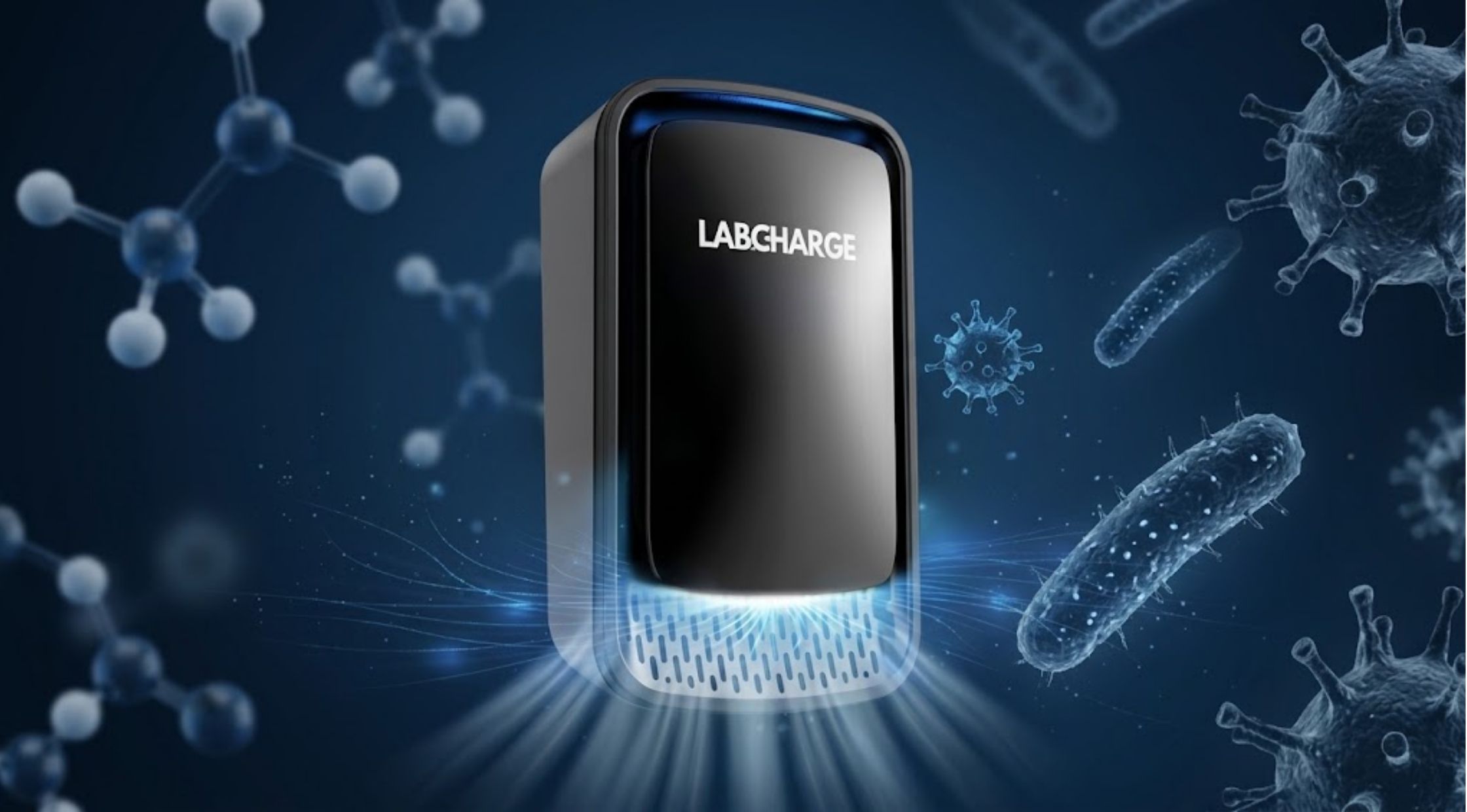
When dust, pet dander, cooking odours and other airborne particles accumulate in the home, the air quality can impact the comfort of your home. While a purifier could lessen some pollutants, it's also important to know how an air purifier functions, the square footage it can cover, maintenance needs and safety characteristics when you're choosing. A brand to check out when looking for an air-cleaning product is called Lab Charge. Before buying, understand the different purification methods and how to assess claims, so you can make an informed decision.
Knowing the Difference Between Various Air Purification Technologies
There are various technologies that can be used in the air purifiers to tackle airborne particles and odors. Some extract air from the rooms and filter it, some use electric processes that charge the particles in the air or affect their behavior. The type of technology you'll choose will rely on the pollutants you're looking to eliminate and the environment at home.
So What Is an Ionic Air Purifier?
The basic function of an air purifier ionic system is to influence particles in the air through the action of the electricity. Depending on design, the charged particles can accumulate on the surfaces or they can be collected on a collection plate. Some ionization devices use both ionization and conventional filtration, others on the main use the ionization technology.
Ionic purification is NOT a HEPA filtration. While a properly rated HEPA filter catches particles as they pass through, ionization can result in particles settling on furniture, floors and other surfaces. This implies that the particles that are removed from the air can still be cleaned from the room.
If you are thinking about buying an air purifier ionic model, be sure to find out if it is an ozone generator or not. Ozone is a respiratory irritant: apparatus designed to produce ozone should not be considered as harmless air fresheners. Seek independent safety information and select products to comply with relevant emissions requirements.
How to Choose the Air Purifier Best Suited for Your Home
The best air purifier for you will be one that meets the size of the room, your air-quality issues, and your cleaning needs. Don't just use marketing descriptions, compare measurable specs and product information provided by third parties.
Measure Your Room and Consider Clean Air Delivery Rates
The first step is to measure the space you will be using the purifier in. Manufacturers may offer a suggested room size or clean air delivery rate information. When checking the models that are suitable, a higher number of clean air delivery rate means that the device can deliver more clean air.
If the primary issue is dust, pollen or pet dander, see if the product has a true HEPA filter, and if its results are backed up by an independent testing authority. Depending on the amount and the design of activated carbon, there may be other benefits for certain odors and gases.
Take Noise and Running Costs into Account
The air purifier can run for several hours a day, so sound and power usage are important. To verify sound ratings for various fan speeds, and to determine if the equipment will be used in a bedroom, office or common area.
Long term costs can also be impacted by replacement filters. Before purchasing, review their availability, recommended replacement times and prices. The lower cost might not be the best deal if the maintenance costs are high or there are limited options for parts.
What to Consider in Lab Charge Air Purifier Reviews
The reviews of reading lab charge air purifiers can provide you with a better idea about the performance of the product in the real world. But you should take the reviews with a grain of salt as some may not reflect average outcomes.
Seek input on specific aspects such as set-up, noise, room coverage, cleanliness and reliability over time. Descriptive reviews describing the size of the room and conditions under which the room is used give more context to a positive review than a simple "nice" review.
It's also important to be able to differentiate between verified purchases, independent content testing, and promotional content. Designers of a device might find a design to be appealing without having conducted the actual effectiveness of the device's particle reduction capabilities. Likewise, statements regarding the health benefit should be backed by evidence not anecdotes.
If you are reviewing lab charge air purifier reviews, you must be sure to examine several different sources and make sure that what you are reading is similar. Determine if performance claims indicate pollutants being tested, test conditions, and test method for result determination. When this information is not provided treat strong claims with caution.
Assessing Lab Charge Reviews Before Making a Purchase
Lab charge reviews can provide insights into the caliber of the product, customer service, shipping, warranties, and purchasing experience. The information is important since an air purifier is an appliance that you might rely on frequently.
First, it is best to look at the manufacturer's product information. Verify the model number, parts included, filter process, maintenance guidelines and warranties. For products that purport to remove certain pollutants, check for scientific research by trusted independent testing sites.
Then, take some time to find out what the company does when it comes to common customer issues. When reading reviews about replacement filters, defective filters, returns, or warranty claims, many subtle details will emerge that may not be obvious when evaluating product features.
Lab charge reviews should be one factor, not the only factor when deciding to purchase. Take note of the date of the review, if the reviewer used it for a long time and whether the details match the published specifications.
How to Improve Indoor Air Quality with Practical Tips
The use of an air purifier should be complemented by other means of indoor air management. Ventilate home only when the outside environment is conducive to it, control moisture and clean surfaces frequently, and deal with smoke or strong odors sources as possible.
Ensure the purifier is located as per manufacturer's guidelines and that air intakes and outlets are not blocked. Follow the filter change/replacement instructions and do not use filters in a manner that contradicts the safety guidelines.
Final Thoughts
There are some factors that should be considered when buying an air purifier, such as its filtering efficiency, room size it can cover, operating cost, and safety. Know the difference between ionic technology and mechanical filtration, validate product claims and cross-check with customers' feedback and independent testing. One of the models to explore is Lab Charge, but assess its models with good evidence and specifications. All of this can be done by taking a moment to compare, and finding an air purifier that will meet the air quality needs of your space.