How to Choose the Best Pool Cue and Accessories

Learning how to select the right pool cue for better accuracy and control.
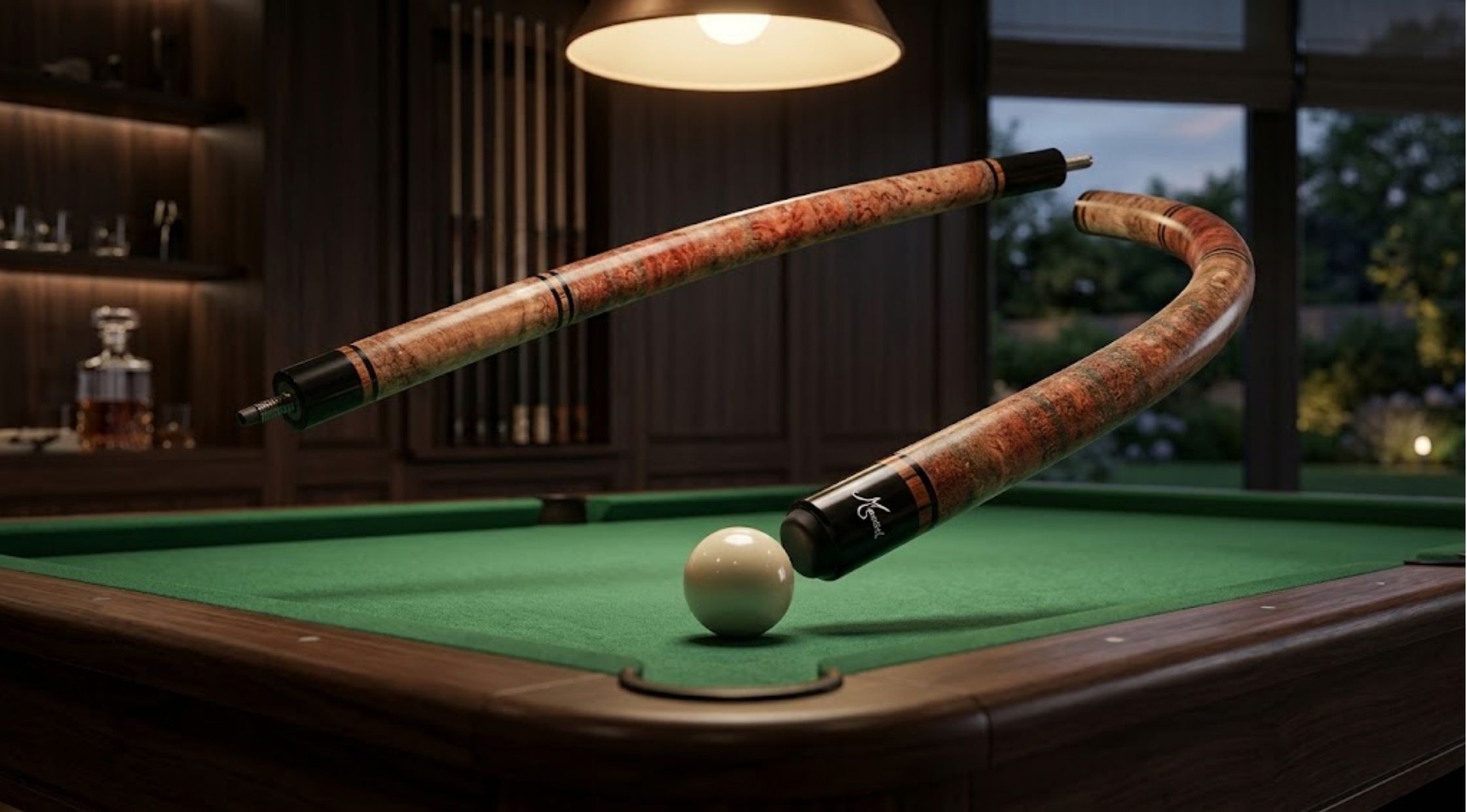
Learning how to select the right pool cue for better accuracy and control.
Picking the perfect pool cue can enhance the ease, reliability, and pleasure of your games. Your gear should match your level of experience, your playing style and your budget: if you're just starting out, you might want to pick up a budget-friendly guitar, or, if you're more advanced, you may be looking for a higher quality instrument. The right handwriting should provide a good grip, weight, and control of the ball when shooting. Billiards equipment can be found in a variety of designs and with this understanding of the various differences in cue materials, tips and accessories, you can make a confident decision towards the particular equipment you will purchase. When buying, ask yourself how frequently you will be playing the game and what aspects of the game are most important to your gameplay.
Things to Look Into When Buying Billiard Pool Sticks
The right cuvette should fit in the hands and enable you to have a consistent stroke. The weight, length, shaft construction and balance all have an impact on the feel of the cue when playing. While personal preference is important, wheels that are also easy to operate and comfortable to ride are better choices than wheels that look good but are harder to control and/or less comfortable to ride.
The first factor to consider when looking at billiard pool sticks is their weight. Some players may find a lighter cue easier to handle while others may find a heavier cue more stable. Neither is necessarily superior because your technique and playing style will make a difference to the outcome.
Shaft is also a crucial factor. Variations in materials and construction techniques can impact durability, feel and maintenance. Older wooden cues tend to have the natural feel of their peers, but some newer cues are made of composite for specific cues playing preferences.
Check the Cue Tip and Grip
The cue tip transfers energy to the cue ball and how much spin you can put on it. The condition, diameter and tip hardness of the tips can have an impact on your playing experience. It is often useful to the beginner to select a cue that has a practical tip that can be replaced and to become familiar with how to maintain it.
The grip should be secure, but not so tight that it causes discomfort when holding the cue. Some of the cues will be wrapped and some smooth. When possible, experiment with different styles to see which feels natural when taking multiple shots.
The Best Way to Choose Pool Cue Cases
It is just as crucial to protect your cue as it is to choose it. Unsafe storage of a cue can make it become scratched, dirty or damaged while in transport. A proper case makes it easier to transport equipment from home, clubs and tournaments and keeps everything organized.
The first thing you have to figure out when looking at pool cue cases is the number of cue pieces and accessories you'll require to store. Some shots can be used on one cue and larger designs can be used for various shafts, butts, extensions and maintenance accessories.
Look at Protection and Portability
Check the cushioning, interior padding, locking mechanism, and exterior material of the case. Although no case is guaranteed to protect equipment from every impact, a strong case can help ensure that protection from those impacts is available. Look to see if the inner surface will rub together and interfere with cue components.
Portability also matters. Extended journeys can be easier with shoulder straps and comfortable handles. If you're on the go, take the size of the case into account, as well as how it would fit into your storage area.
Smaller accessories can be lost when there is no organization to the case. But don't use more than the manufacturer recommends because pressure can cause contents to shift or strain the closures.
Discovering the Right Sized Pool Sticks for Yourself
The term "pool sticks" is used generally for cues used in other games such as eight-ball, nine-ball and other cue games. Not all cues perform the same function, though. Certain models are designed for the general recreational player while others are created with a focus on a preference of balance, shaft feel, and/or break shot.
When buying your first cue, get yourself a multipurpose cue that is comfortable to hold and maintain. It's not a requirement to get an expensive cue to learn good fundamentals. High quality finishes are not usually as important as regular practice, proper position and a nice stroke.
Highly skilled players may wish to examine shaft taper, tip diameter, joints and balance point. These factors can affect the feel of the cue, particularly if the player is accustomed to spinning the cue or is known for having a particular technique.
Be sure to pay close attention to product specifications and to compare similar pool sticks. Test a cue before purchasing it, if possible. Focus on using the cue ball naturally when aiming and striking it; keep your control in your hands when using the cue ball.
Getting Your Billiards Equipment Ready for the Season
By following a regular maintenance schedule you can keep your cue and accessories in good condition. Dry the shaft with an appropriate dry cloth after playing, and according to the instructions of the manufacturer clean and store the shaft. Do not leave wooden cues out in very cold or overly wet environments as this can impact on them.
Regularly check the tip for wear and check they are still properly attached. When transporting, ensure that cue components remain safe and secure, and store equipment in a dry area. Periodically inspect lining and closures of cases to ensure continued protection of equipment.
Final Thoughts
When it comes to picking out trustworthy billiards equipment, the first step is to grasp your needs. Compare and choose between cue weight, grip, shaft construction, tip characteristics, and choose a case that provides adequate protection and storage. Billiards products come in a vast variety and so be selective about practical features, even if it isn't just the looks. Using the right equipment, keeping your play in good shape and working at the table regularly can help you develop a more comfortable play routine and start to increase your confidence over time.